
AMI: Powering Smart Utilities and Sustainability
This article explores Automated Metering Infrastructure’s role in utility innovation, detailing advances in communication, analytics, consumer empowerment, and IoT use cases driving sustainable, resilient urban management.
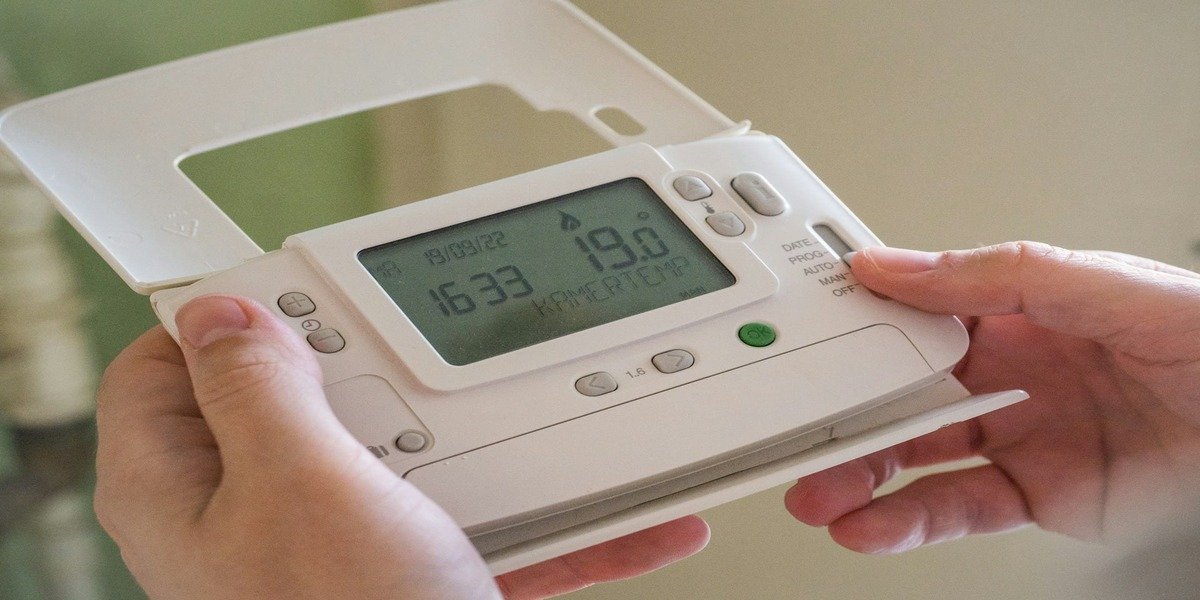
Automated Metering Infrastructure (AMI) is the principal driver of mass-scale IoT adoption and has revolutionized the way utilities manage and monitor consumption, offering numerous benefits to both utility providers and consumers alike. It is the most talked about and pursued IoT-based rollout across geographies, focusing on electricity, gas, and water in both consumer and industrial domains.
As technological advancements continue to evolve, AMI systems have seen major developments in communication technologies, Head-End Systems (HES), Meter Data Management (MDM), reporting functionality, pre-payment modules, and consumer portals.
Communication Technologies
Communication technologies play a pivotal role in AMI systems, facilitating seamless data exchange between meters and utility servers. Traditional AMI systems relied heavily on proprietary communication protocols, but with the emergence of standardized protocols like Wi-Sun, NB-IoT, Wi-Fi, and traditional cellular networks, interoperability and scalability have significantly improved. This enables utilities to integrate and manage diverse metering technologies through a unified platform.
Head-End Systems (HES)
Head-End Systems (HES) act as the central nervous system of AMI networks, collecting and processing meter data in real time. Modern HES solutions feature advanced analytics capabilities, enabling utilities to gain valuable insights into consumption patterns, identify anomalies, and optimize grid operations.
Meter Data Management (MDM) Systems
Meter…
Create an account to continue reading
Create AccountAlready have an account? Sign in
Need an expert in this space?
Talk to an Industry Expert
Knowledge Ridge connects decision-makers with carefully vetted subject matter experts for one-on-one calls, research sprints, and advisory engagements — across 11 sectors and 163 sub-industries globally.
Comments
No comments yet. Be the first to comment!