
Aquaculture Technology Developments And Present Scenarios
Aquaculture is transforming global food security — growing beyond fish to a tech-driven, sustainable industry. With innovations in biotech, genetics, and Blue Transformation, it’s redefining how we farm the oceans to feed the world while preserving ecosystems. Dive into the future of aquaculture.
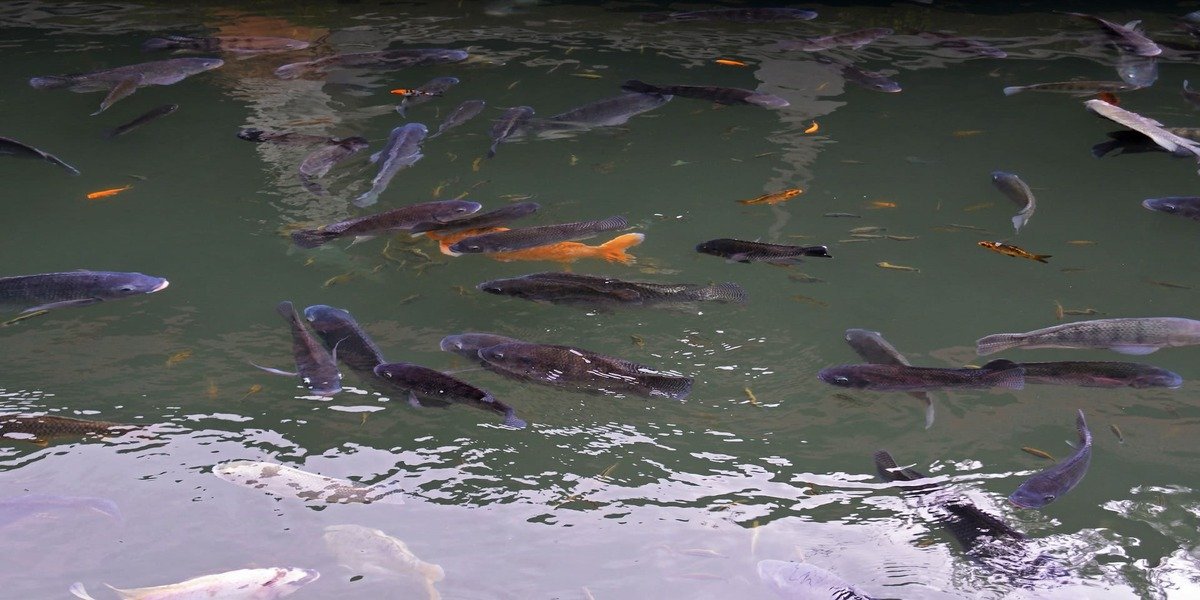
Aquaculture contributes aquatic animal food for human consumption to fulfil the needs (e.g., fish, crustaceans, and molluscs, but does not include mammals, reptiles, and aquatic plants). It will grow further to meet the future demand.
It is very diverse and, contrary to many perceptions, dominated by shellfish, herbivorous and omnivorous pond fishes.
The rapid growth in the production of carnivorous species such as salmon, shrimp and catfish has been driven by globalizing trade and favourable economics of larger scale intensive farming. Most aquaculture systems rely on low/un coasted environmental goods and services. Hence, a critical issue for the future is whether these are brought into company accounts and the consequent effects this would have on production economics.
Failing that, increased competition for natural resources will force governments to allocate strategically or leave the market to determine their use depending on activities that can extract the highest value.
Further uncertainties include the impact of climate change, future fishery supplies (for competition and feed supply), practical limits in scale and in the economics of integration, and the development and acceptability of new bio-engineering technologies.
In the medium term, the increased output will likely require expansion in new environments, further intensification, and efficiency…
Create an account to continue reading
Create AccountAlready have an account? Sign in
Need an expert in this space?
Talk to an Industry Expert
Knowledge Ridge connects decision-makers with carefully vetted subject matter experts for one-on-one calls, research sprints, and advisory engagements — across 11 sectors and 163 sub-industries globally.
Comments
No comments yet. Be the first to comment!