
Assessing Waste Hazards: Issues and Insights
The paper examines challenges in direct testing methods for classifying hazardous waste, comparing indirect and direct approaches, discussing key hazard properties (HP4, HP8, HP10, HP14), regulatory gaps, laboratory limitations, and recommendations for harmonized EU waste assessment.
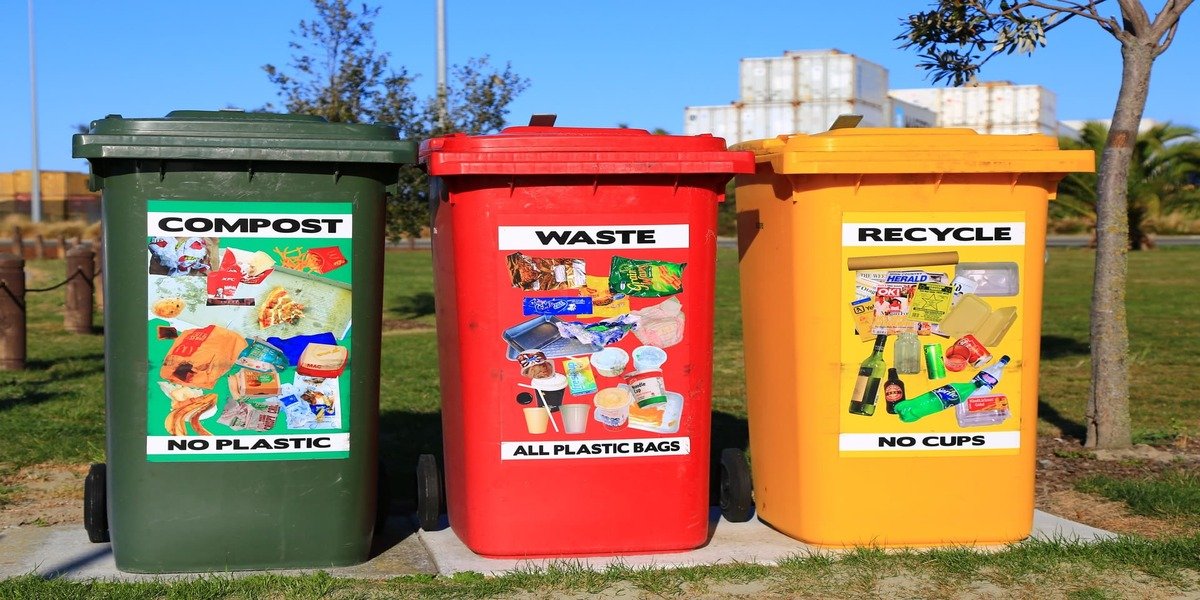
Waste generation is a global problem, not only environmentally but also the economic loss it represents. Annual waste generation is projected to increase by 70% by 2050 (OECD, 2019a). Consequently, waste management should be planning and managing a circular economy, to ensure that resources used remain in the EU economy for as long as possible, while ensuring the best degree of environmental safety (European Commission, 2020). In this context, hazard waste classification plays a crucial role.
Hazard waste classification entails safe handling and disposal of discarded materials, with significant impacts on waste producers’ budgets, their legal conduct, and public perception. The regulatory criteria should be realistic and scientifically sound ensuring full transparency while providing a level-playing field for all industrial sectors. According to European regulations, waste is defined as hazardous if satisfies at least one of the 15 hazard properties (HP) or contains concentrations of certain persistent organic pollutants over specific legal thresholds (European Commission, 2014; European Parliament and European Council, 2019). Equally, wastes are classified as hazardous according to the 6-digits codes enlisted in the European Waste Catalog, established by the European Commission, (2000). Accordingly, among “absolute non-hazardous” waste, “absolute hazardous” waste, and the so-called “mirror entries” (i.e., waste…
Create an account to continue reading
Create AccountAlready have an account? Sign in
Need an expert in this space?
Talk to an Industry Expert
Knowledge Ridge connects decision-makers with carefully vetted subject matter experts for one-on-one calls, research sprints, and advisory engagements — across 11 sectors and 163 sub-industries globally.
Comments
No comments yet. Be the first to comment!