
Biogas Cleaning For Efficient Energy Production
Biogas is a powerful energy source—but only when cleaned. Explore how removing internal and external impurities like H2S, siloxanes, and moisture ensures safe, efficient use for energy, biomethane, H2, or methanol production.
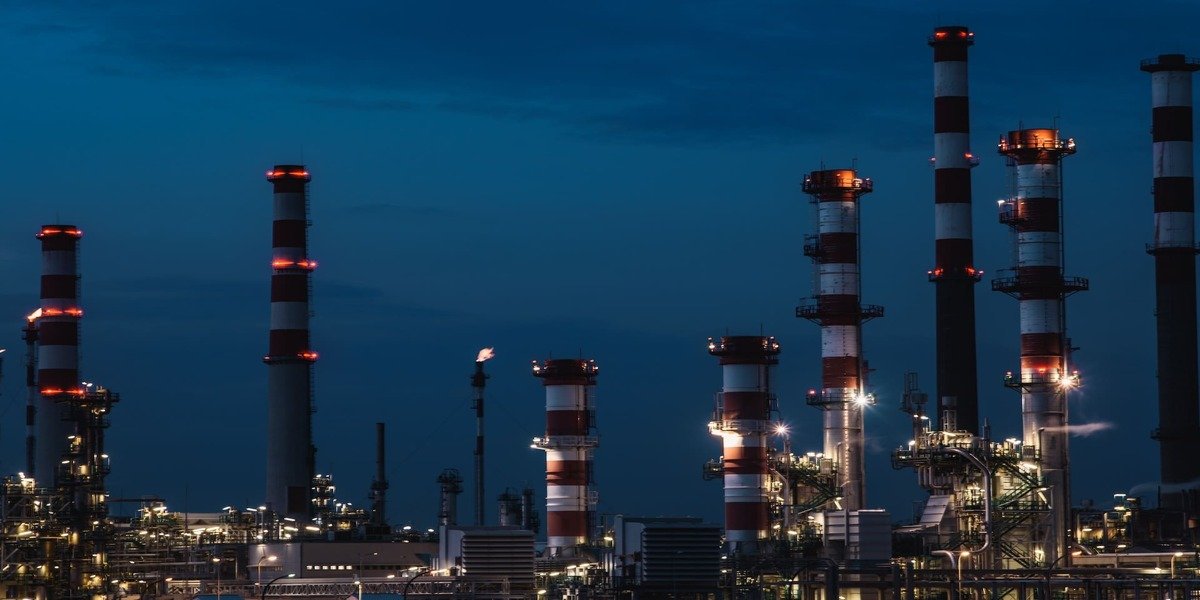
Biogas is a gas mixture formed mainly by methane (CH4), carbon dioxide (CO2), N2, O2, H2, and traces of other components such as H2S, water vapor, siloxanes, and hydrocarbons. All these traces are dangerous to its use or application. Therefore, it is considered a dirty gas that requires prior cleaning for energy production or as a raw material for Biomethane, H2, or Methanol production.
Currently, according to its production manner or source, we can find:
- Biogas-Uncontrolled Process- Examples: Landfills, lakes, or swamps
- Biogas-Controlled Process- Example: WWTPs
Cleaning Techniques for Biogas
The biogas. Whatever its origin, it is a dirty gas. In biogas, two types of impurities can be distinguished that must be removed for the good work of the facility.
External Impurities
External impurities are not part of the biogas flow. This must be the first to be removed. These are generally removed by mechanical operations such as filtration and/or change in the dimension or direction of biogas flow. Examples. Sediments, foams, particles, and condensates. These impurities are mainly found in the biogas stream, leaving the digester, mainly in WWTP. This biogas cleaning is defined as Gross removal.
Internal Impurities
Internal impurities are part of the biogas flow. They are…
Create an account to continue reading
Create AccountAlready have an account? Sign in
Need an expert in this space?
Talk to an Industry Expert
Knowledge Ridge connects decision-makers with carefully vetted subject matter experts for one-on-one calls, research sprints, and advisory engagements — across 11 sectors and 163 sub-industries globally.
Comments
No comments yet. Be the first to comment!