
Challenges In The Biopharmaceutical Industry And Ways To Overcome
The biopharma industry stands at a crossroads—innovation surges ahead, yet challenges in cost, scalability, and regulation slow progress. Discover how experts are redefining manufacturing to create faster, cheaper, and safer medicines.
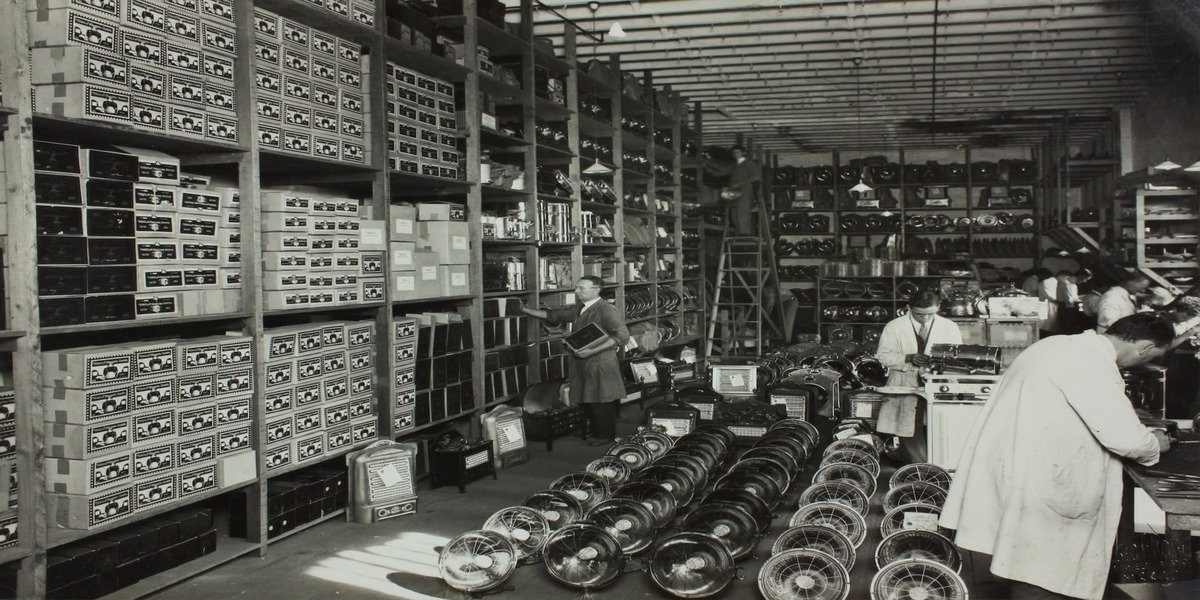
The world has seen the most advanced medicine in the last 30 years with tremendous improvement in biomanufacturing technology towards developing drugs. The rapid growth and changing market dynamics in biosimilars, biologics, and vaccines have prompted biopharmaceutical companies to build new facilities faster.
Since high throughput and versatile technology are used to manufacture these drugs, companies invest hundreds of millions of dollars to set up manufacturing plants. So, companies expect robustness and decreased cost of these drugs to stay competitive and regulated market.
Therefore, healthcare sector will always pressure biopharma industries to manufacture low-cost, high-yielding medical drugs with faster times to market. These drugs have complex physicochemical properties and must cope with regulatory authority demands before human use.
But we should understand the major challenges faced by this industry before investment.
The major challenges are:
- Lack of internal innovation and research capabilities in companies
- Requirement of high yielding expression system
- Unstable cell lines
- Selection of media for high productivity
- Lack of efficient process monitoring tools and proper characterization of the product
- Lack of robust quantification methods during the product development stage
- Contamination rate of the product
- Scalability issues in both the upstream and downstream process
- Bottlenecks in the downstream process
Create an account to continue reading
Create AccountAlready have an account? Sign in
Need an expert in this space?
Talk to an Industry Expert
Knowledge Ridge connects decision-makers with carefully vetted subject matter experts for one-on-one calls, research sprints, and advisory engagements — across 11 sectors and 163 sub-industries globally.
Comments
No comments yet. Be the first to comment!