
Building Resilient Renewable Supply Chains
This article examines risk management, leadership strategies, regulatory impacts, and ESG integration for sustainable, resilient supply chains in the renewable energy sector, offering actionable solutions and best practices.
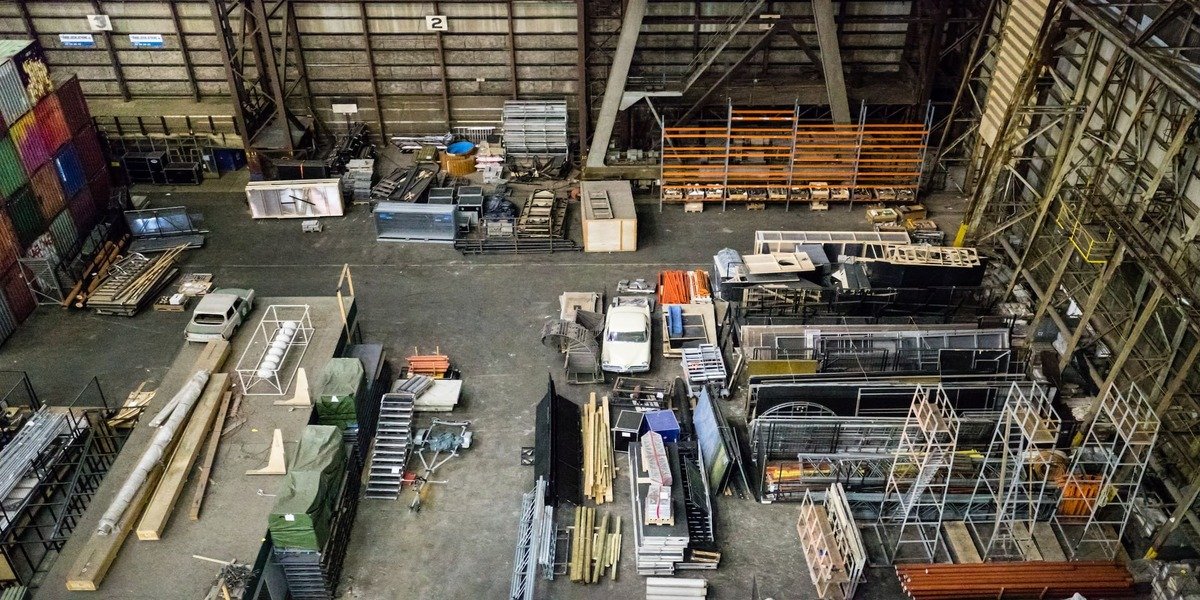
The renewable energy supply chain has to be at the forefront of sustainability and ESG compliance.
Focusing on sustainability matters, it is also worth mentioning several risks that can disrupt the business, such as increased manufacturing volumes, supplier disruptions, ethical risks, quality problems, geopolitical risks, capacity constraints, and so on.
These risks lead to delays in customer orders, increased landed costs, reduced margins, missed customer orders and revenue, delays in new product introduction, organizational inefficiency, and demotivated staff.
A risk management approach, together with stage-gate project management, is fundamental for keeping the supply chain on track and securing the desired outcome within the expected time, costs, and quality.
Three questions are the pillars for a solid preparation of the project:
- What is the opportunity in the global supply chain?
- What is the risk?
- What is the objective of the project?
In order to answer properly to these questions, a leadership structure must be in place first
- Define the current organizational
- Clarify roles and responsibilities
- Ensure adequate resources and establish primary communication channels.
By doing so, the project team is more resilient and can approach the most common processes in the whole supply chain management.
Typical processes that are managed with…
Create an account to continue reading
Create AccountAlready have an account? Sign in
Need an expert in this space?
Talk to an Industry Expert
Knowledge Ridge connects decision-makers with carefully vetted subject matter experts for one-on-one calls, research sprints, and advisory engagements — across 11 sectors and 163 sub-industries globally.
Comments
No comments yet. Be the first to comment!