
Circular Economy And The Multiplier Effect
The circular economy is rewriting growth — turning waste into value and sustainability into opportunity. Learn how innovation fuels this shift.
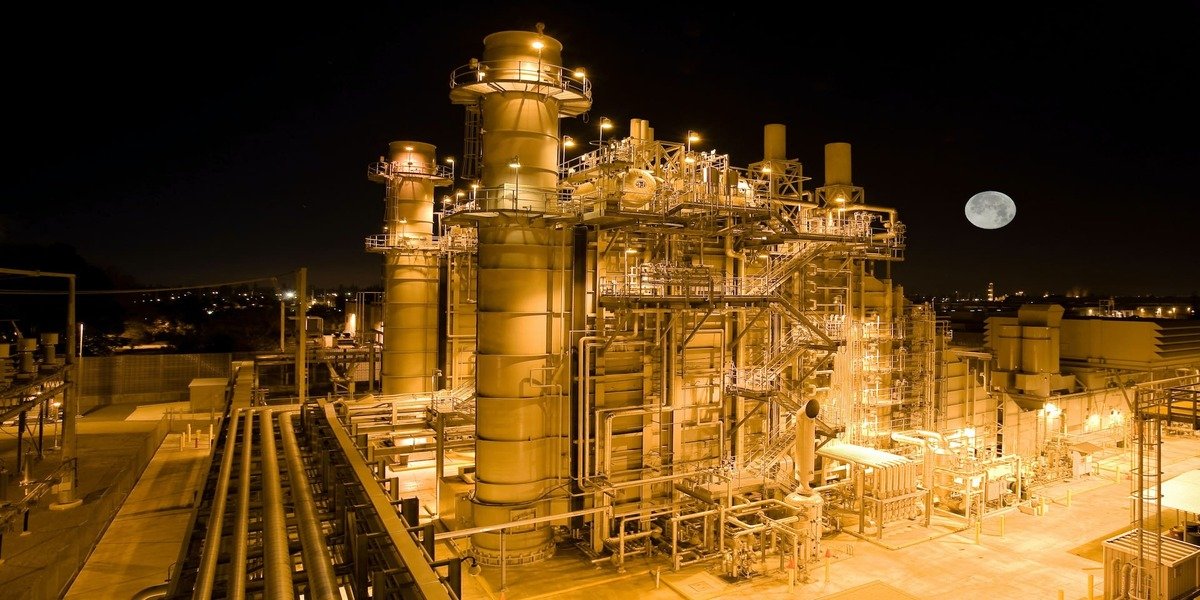
The concept of a circular economy is gaining traction as an alternative to the traditional linear economy, which is characterized by the "take, make, dispose" model.
In a circular economy, resources are kept in use for as long as possible; waste is minimized, and materials are recycled or repurposed instead of being thrown away.
This approach is environmentally sustainable and has significant economic benefits, including the multiplier effect.
The multiplier effect refers to the idea that when one person or entity spends money, that money then circulates throughout the economy, boosting economic activity and creating more jobs and income.
The circular economy fuels the multiplier effect by creating a closed-loop system in which resources and capital are continually reused and recycled.
Circular Economy Boosting the Multiplier Effect
Shift Towards Services
One aspect of the circular economy contributing to the multiplier effect is the shift towards services rather than products.
In a traditional linear economy, companies make products designed to be thrown away or replaced quickly, leading to a constant need for new production and consumption.
In a circular economy, by contrast, companies provide services to maintain or repair existing products, promoting longevity and extending the life of resources.
This approach…
Create an account to continue reading
Create AccountAlready have an account? Sign in
Need an expert in this space?
Talk to an Industry Expert
Knowledge Ridge connects decision-makers with carefully vetted subject matter experts for one-on-one calls, research sprints, and advisory engagements — across 11 sectors and 163 sub-industries globally.
Comments
No comments yet. Be the first to comment!