
Clean Energy’s Role in Combating Climate Change
This article explores how energy drives climate change, the urgent need for renewables, and how individuals and governments can accelerate the shift toward a sustainable, low-carbon future.
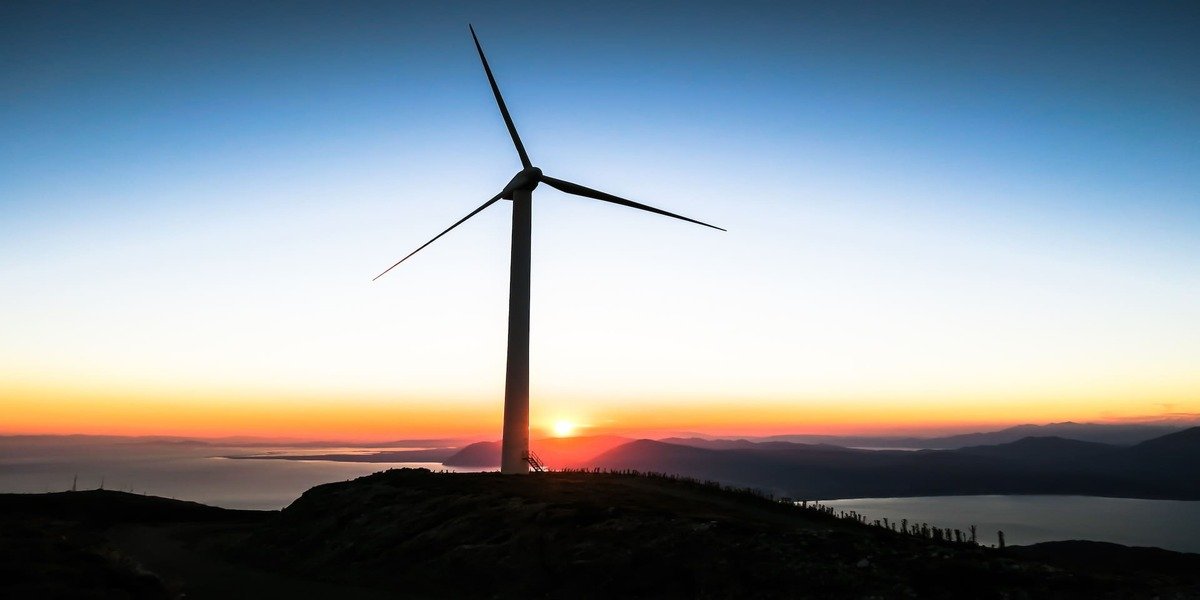
Climate change is one of humanity's most pressing challenges in the 21st century. The Earth's climate is rapidly changing due to human activities, primarily burning fossil fuels, deforestation, industrial processes, and various other practices that release greenhouse gases into the atmosphere. The consequences of these actions are evident in rising global temperatures, extreme weather events, melting ice caps, and disruptions to ecosystems worldwide.
Role of Energy in Climate Change
Energy production and consumption play a pivotal role in driving climate change. Fossil fuels such as coal, oil, and natural gas are the primary energy sources for electricity generation, transportation, and heating in many parts of the world.
When burned, these fuels release carbon dioxide (CO2) and other greenhouse gases into the atmosphere, contributing significantly to the greenhouse effect and global warming.
Transitioning to Clean and Renewable Energy
A fundamental shift from fossil fuels to renewable and clean energy sources is imperative to mitigate climate change. Renewable energy, derived from solar, wind, hydroelectric, and geothermal power sources, offers a sustainable alternative with significantly lower carbon emissions. Advancements in technology have made renewable energy more affordable and accessible, paving the way for a transition to a cleaner energy future.
Conclusion
Climate change…
Create an account to continue reading
Create AccountAlready have an account? Sign in
Need an expert in this space?
Talk to an Industry Expert
Knowledge Ridge connects decision-makers with carefully vetted subject matter experts for one-on-one calls, research sprints, and advisory engagements — across 11 sectors and 163 sub-industries globally.
Comments
No comments yet. Be the first to comment!