
Consequences Of Hydrocarbon Consumption And Consumer Habits
From Arctic gas fields to global cities, hydrocarbons drive modern life. But is the problem the fuel—or how we use it? Discover why the future of sustainability begins with changing ourselves, not just our energy sources.
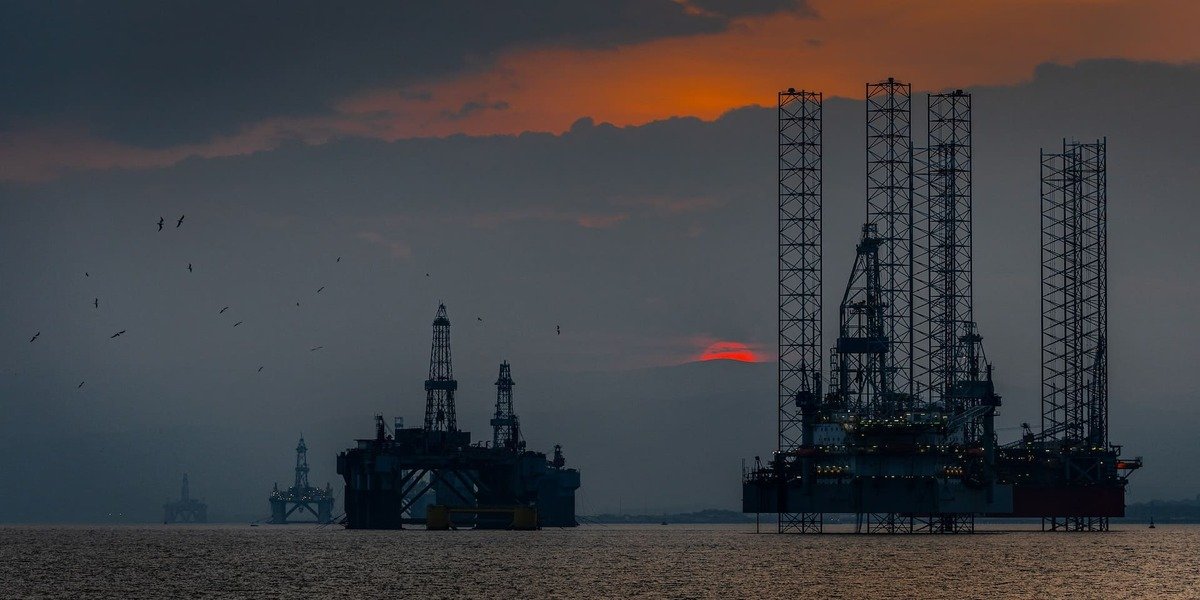
It would not be an exaggeration to say that today only lazy people do not talk about climate change and the impact of hydrocarbons on these changes. Briefly, I would like to define some aspects of this topic.
About 15 years ago, my colleagues and I were returning from a gas field to an office in the Arctic region of Russia. During our trip, we saw many vehicles carrying various items, such as oil and gas equipment, pipes, materials, etc. The outside temperature was -30 degrees Celsius. All the movements around us seemed like an endless anthill.
I asked my companions what the result of all these actions is mentioned above. Silence hung. After a few minutes, we concluded that all the above activities mostly ended up in the garbage or the chimney. Comparing all human efforts to extract hydrocarbons with consumption habits takes little evidence to understand that people consume irrationally.
After several public actions held by environmental activists worldwide, many politicians began to ride the topic of climate change.
But who are the politicians?
These are people who protect the public interests of their constituents. Of course, each of the politicians has the opportunity to express themselves to…
Create an account to continue reading
Create AccountAlready have an account? Sign in
Need an expert in this space?
Talk to an Industry Expert
Knowledge Ridge connects decision-makers with carefully vetted subject matter experts for one-on-one calls, research sprints, and advisory engagements — across 11 sectors and 163 sub-industries globally.
Comments
No comments yet. Be the first to comment!