
Digital Transformation For A Resilient Global Supply Chain
By 2028, supply chains will look nothing like today’s — powered by AI, blockchain, robotics, and 3D printing. They’ll be smarter, greener, and more resilient, turning data into decisions and waste into value. Discover how the next-gen supply chain is being built today.
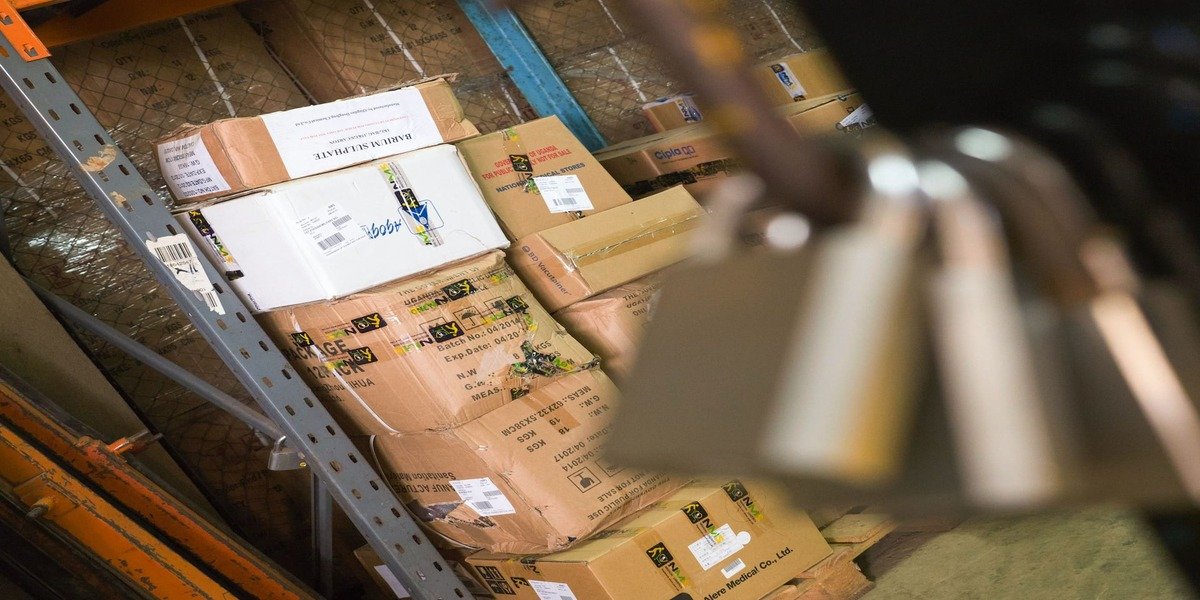
Supply chains will radically transform, driven by technological innovation, processes, and business models. Supply chains will be more flexible, robust, green, and customer-oriented than ever before. They will harness the potential of data, artificial intelligence, blockchain, robotics, 3D printing, and other emerging technologies to enhance efficiency, quality, transparency, and security. They will also embrace circular and collaborative models to minimize waste emissions and costs and to generate value for all stakeholders.
Digital Transformation in Supply Chain
Some of the main aspects of the supply chain innovation in 2028 are:
Data-driven Decision-Making
Supply chains will use sophisticated analytics and machine learning to extract insights from large and varied data sources, such as sensors, I0T devices, social media, weather forecasts, and market trends. These insights will help supply chain managers forecast demand, optimize inventory, plan production, manage risks and cope with real-time disruptions.
Blockchain-enabled Traceability
Supply chains will use blockchain technology to create secure and transparent records of every transaction and movement along the supply chain. This will improve trust, accountability, and compliance among supply chain partners and customers. It will also provide end-to-end visibility and traceability of products from source to destination, ensuring quality, safety, and authenticity.
Robotics and Automation
Supply…
Create an account to continue reading
Create AccountAlready have an account? Sign in
Need an expert in this space?
Talk to an Industry Expert
Knowledge Ridge connects decision-makers with carefully vetted subject matter experts for one-on-one calls, research sprints, and advisory engagements — across 11 sectors and 163 sub-industries globally.
Comments
No comments yet. Be the first to comment!