
Revolutionizing The Medical Device Industry Through DMLS Printed Parts
Imagine a world where medical implants fit like they were born with you. DMLS 3D printing is making that real — cutting time, waste, and cost while boosting strength, precision, and sustainability. Discover how this laser-powered revolution is reshaping modern medicine.
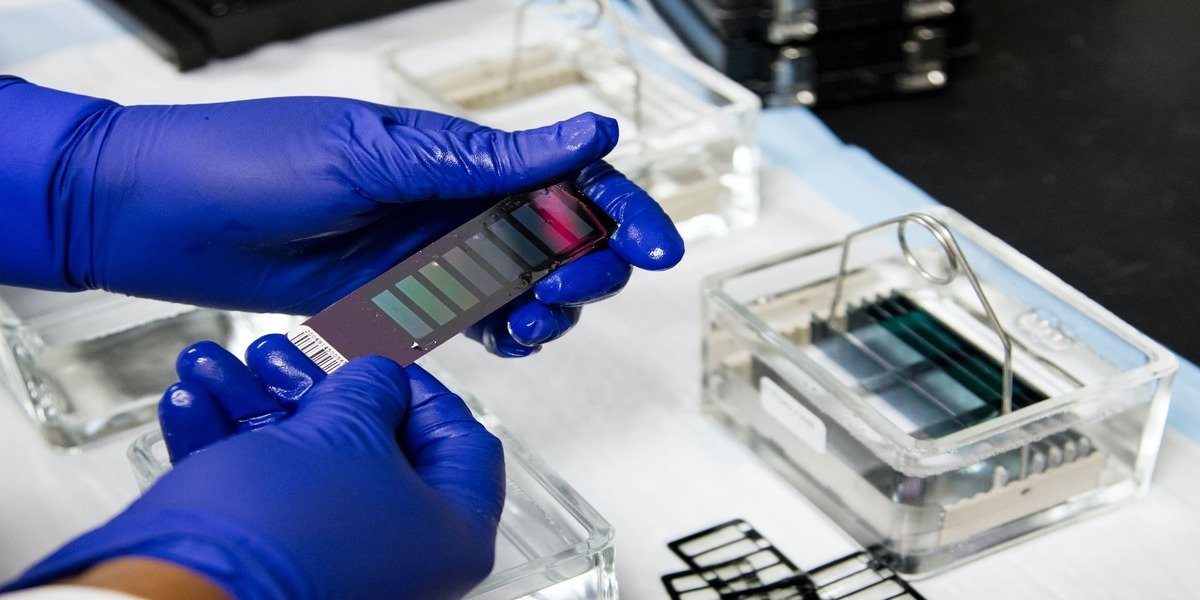
The medical device industry has experienced rapid advancements in recent years, driven by the need to provide patients with more effective and personalized treatments. One of the most promising developments in this field is using Direct Metal Laser Sintering (DMLS) technology to produce medical devices.
DMLS is a form of additive manufacturing that employs a high-powered laser to sinter metal powders layer by layer, creating complex, customizable, and highly precise components. This essay explores the various benefits that DMLS printed parts bring to the medical device industry and how they are revolutionizing the way healthcare professionals deliver care.
Customization and Personalization
One of the most significant advantages of DMLS technology is its ability to produce highly personalized and customized medical devices. Traditional manufacturing methods often struggle to create complex and intricate geometries, limiting the range of possible designs. In contrast, DMLS allows the production of bespoke devices that can be tailored to fit a specific patient's anatomy or accommodate unique medical conditions. This increased level of customization results in better patient outcomes, as medical devices can be designed to minimize discomfort and maximize effectiveness.
Reduced Time-to-Market
Speed ensures that life-saving innovations reach patients as quickly as possible in the medical…
Create an account to continue reading
Create AccountAlready have an account? Sign in
Need an expert in this space?
Talk to an Industry Expert
Knowledge Ridge connects decision-makers with carefully vetted subject matter experts for one-on-one calls, research sprints, and advisory engagements — across 11 sectors and 163 sub-industries globally.
Comments
No comments yet. Be the first to comment!