
Electric Utilities Enter A 7"D" World
The electric utility industry is transforming through seven “D”s—deterioration, decarbonization, decentralization, distributed resources, digitalization, disintermediation, and de facto deregulation—driving a shift toward smarter, sustainable, and competitive energy systems.
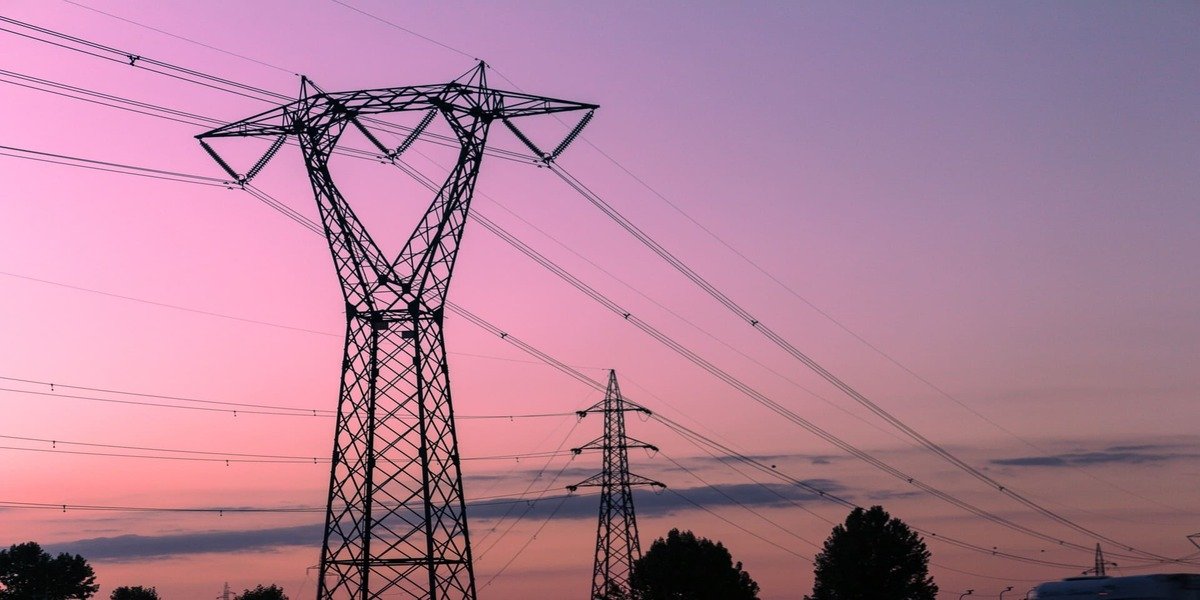
The electric utility industry is undergoing dramatic, multi-dimensional change. Consider these new dimensions of the electric utility industry.
“D”eterioration
The aging, monolithic, centralized, carbon intensive, cost-plus monopoly electric grid is deteriorating in many ways. Reliability is declining, costs are increasing and grid operations are becoming more complex. Even if these deficiencies were not occurring, the legacy electric utility business model is being disrupted from without and within.
"D"ecarbonization
The growing demand for sustainability from customers, regulators and the general public continues. Furthermore, even if that weren’t the case, economics increasingly favour sustainable energy resources, both physical and virtual, which can meet customer demands not only more sustainably but actually more economically than traditional electric utility generation.
"D"ecentralization
The legacy bulk electric system, a monolithic network of central station generation connected via high voltage transmission lines to load centers is being increasingly displaced by real and virtual energy sources on the distribution lines, even on the demand side of the meter.
"D"istributed energy resources
Distributed energy resources (DERs) are proliferating at an accelerating rate on electric distribution networks. They include actual electric energy production and controllable electric energy consumption (i.e. virtual generation). They are increasingly being deployed on the customer’s side…
Create an account to continue reading
Create AccountAlready have an account? Sign in
Need an expert in this space?
Talk to an Industry Expert
Knowledge Ridge connects decision-makers with carefully vetted subject matter experts for one-on-one calls, research sprints, and advisory engagements — across 11 sectors and 163 sub-industries globally.
Comments
No comments yet. Be the first to comment!