
EV Batteries
Global EV adoption is accelerating, but lithium-ion battery shortages and supply chain gaps challenge production. Asia dominates battery manufacturing, pushing U.S. automakers to partner internationally as they strive toward cleaner, sustainable mobility.
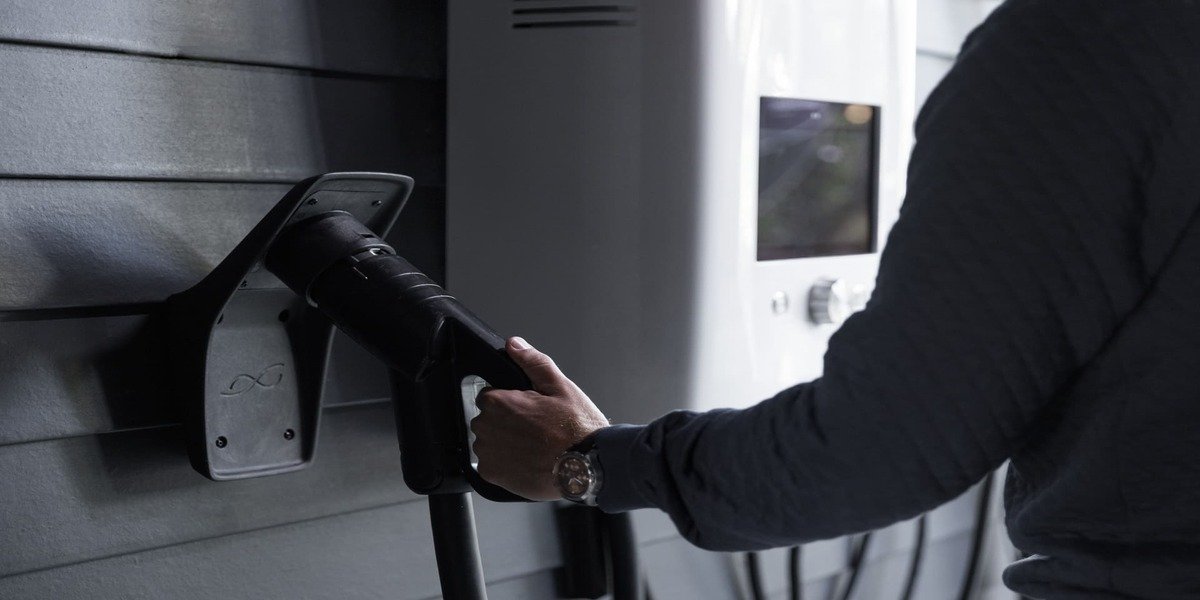
As the world begins its transition into electric cars, there are many looking to jump into the market as consumers gear up for the next steps. Companies that are in the EV race include Ford, GM, Tesla, Kia, BMW, Xiaomi, Rivian, Hyundai, Volkswagen, Arrival, Nikola, Xiopeng Motors, Faraday Future, Lucid Motors, Nio, WM Motors, OIa, Zenobe, StoreDot, Rimac, Gunsel, Sono, Enel Ex, Electreon, LightYear, and more.
There are a number of emerging startups and public companies looking to offer electric vehicles. Most of the EVs run off of lithium-ion batteries. While these batteries are made with a combination of lithium, nickel, cobalt, and other materials, manufacturers around the world are looking to ramp up production to meet company and national goals.
Companies are facing shortages of lithium-ion batteries to produce their vehicles. One such example is cobalt. Cobalt, which is primarily sourced from the Ivory Coast has been flagged for mining practices and companies are looking to work around to side-step that concern. One of those companies is Panasonic which has made a lithium-ion battery without cobalt that they plan to test in the market.
Similarly, Asia has the supply chain in place to cultivate and treat lithium while other…
Create an account to continue reading
Create AccountAlready have an account? Sign in
Need an expert in this space?
Talk to an Industry Expert
Knowledge Ridge connects decision-makers with carefully vetted subject matter experts for one-on-one calls, research sprints, and advisory engagements — across 11 sectors and 163 sub-industries globally.
Comments
No comments yet. Be the first to comment!