
EVs Powering the Grid
Vehicle-to-Grid (V2G) leverages EV batteries for energy storage, enabling backup power, grid support, and renewable integration. Regulatory, technical, and cost challenges remain, but pilots and technology adoption signal a growing role for V2G.
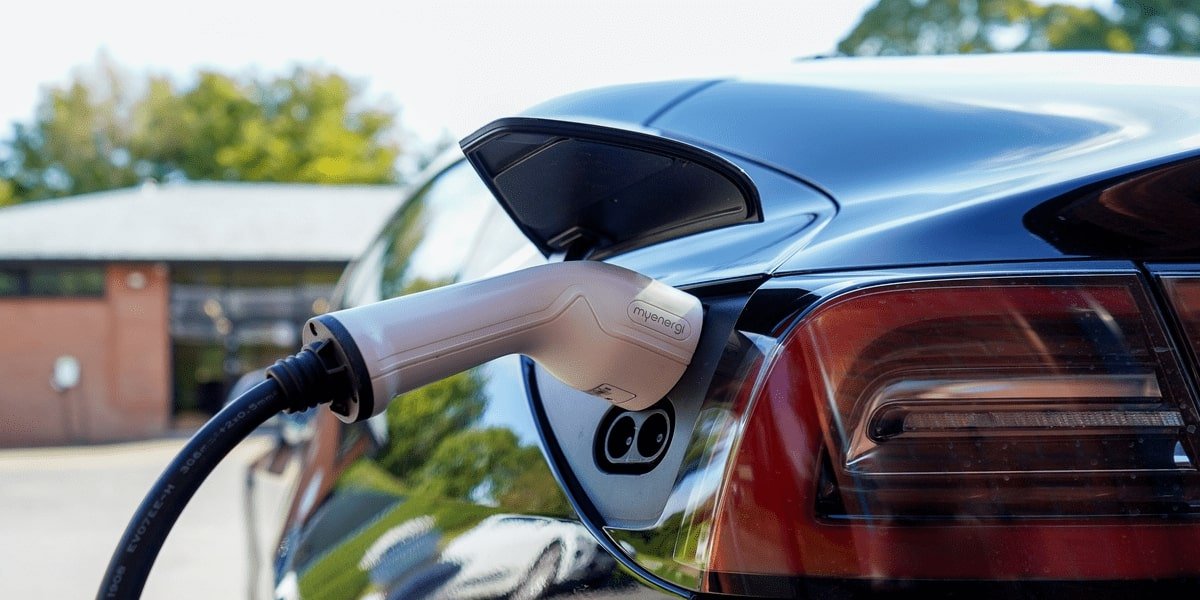
An average refrigerator uses 36 kilowatt-hours (kWh) of energy in a month. In the event of a home electricity outage, most electric vehicle (EV) battery packs have sufficient stored energy to keep those pizzas frozen for weeks.
Indeed, with storms and fires interrupting home power supply more frequently of late, leveraging EV battery packs for resiliency have become an exciting solution to keep the electricity flow going. With the size of the global EV fleet rising from 8.5 million vehicles today, to 116 million vehicles in 2030, vehicle-to-grid (V2G) connections will only become more important.
What’s energy storage?
Electricity and broadcast TV are similar: Use it or lose it. Before streaming video, TiVo let us time-shift TV, so we didn’t have to miss “Desperate Housewives.” Energy storage allows us to time-shift electricity and has long been a tool for the electric grid. Traditionally, this has been in the form of pumped hydro, where water is pumped up a hill at night when energy is in less demand, and then run downhill to generate energy during the day.
Lithium-ion batteries began entering the energy storage market approximately 15 years ago, providing a unique ability of fast response. But the high cost…
Create an account to continue reading
Create AccountAlready have an account? Sign in
Need an expert in this space?
Talk to an Industry Expert
Knowledge Ridge connects decision-makers with carefully vetted subject matter experts for one-on-one calls, research sprints, and advisory engagements — across 11 sectors and 163 sub-industries globally.
Comments
No comments yet. Be the first to comment!