
Fleet Electrification
Fleet electrification promises cleaner logistics but comes with tough challenges — from limited range and high costs to unfamiliar tech. This article explores how software, smart infrastructure, and new financing models are reshaping the road to a sustainable supply chain.
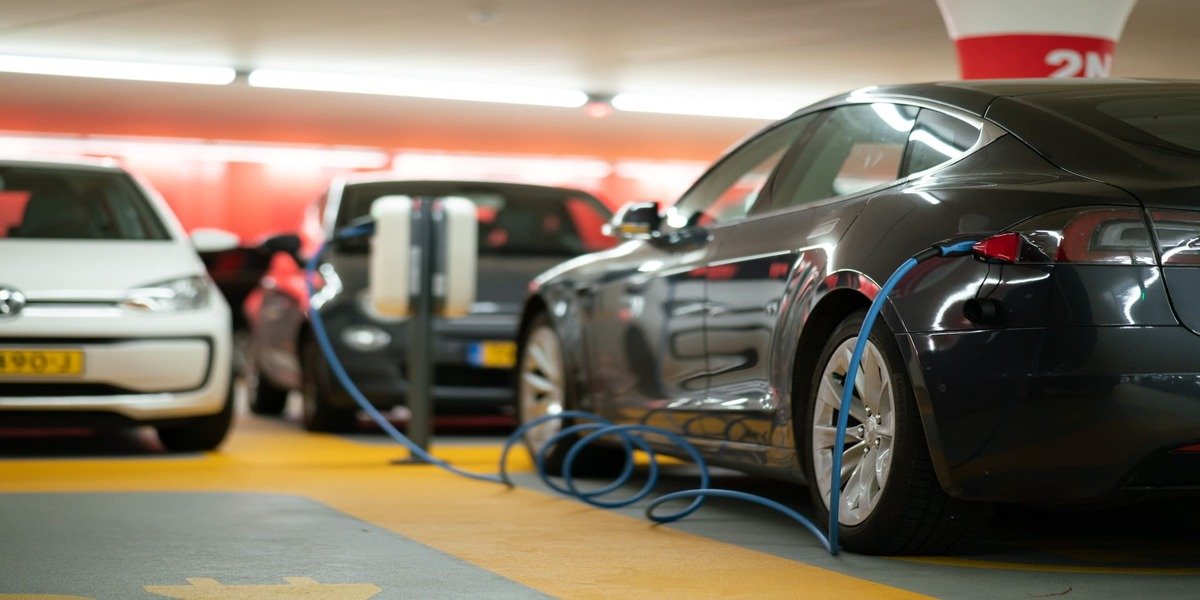
The electrification of supply chain operations can bring considerable environmental benefits. But, it is a challenging task, not the least of which is that it's a new technology, and there are many unknowns in terms of long-term performance, reliability, and cost.
Challenges to Electrification
In fact, about fleet electrification, five key obstacles need to be addressed :
Limited Range
Volvo's new FH Electric has a maximum range of roughly 300km, carrying a gross combined weight rating (GCWR) of 44 tons. While that is impressive for an EV, the diesel FH, with the same GCWR, can go 1,000km between fuel stops, more than 3x as far. As a result, fleet electrification today is best suited for last-mile deliveries, not long-haul trucking.
Route Optimization
Diesel pumps are far more common than EV chargers, an issue that is exacerbated by the limited range of EVs. Fast chargers can cost up to $100,000 to install, so many are reluctant to lay out that kind of investment.
Short Supply of EVs
Bottlenecks in the EV supply chain, coupled with OEM delays in large-scale manufacturing, have held back the industry as it is difficult for many companies to scale up the electrification of their fleets.
High…
Create an account to continue reading
Create AccountAlready have an account? Sign in
Need an expert in this space?
Talk to an Industry Expert
Knowledge Ridge connects decision-makers with carefully vetted subject matter experts for one-on-one calls, research sprints, and advisory engagements — across 11 sectors and 163 sub-industries globally.
Comments
No comments yet. Be the first to comment!