
Functional Integration In The Vehicle Development Process
As vehicles evolve into intelligent machines, Functional Integration has become the backbone of modern automotive design. From managing heat and complexity in the 1990s to integrating whole-vehicle software for Level V autonomy—discover how this discipline drives the future of mobility.
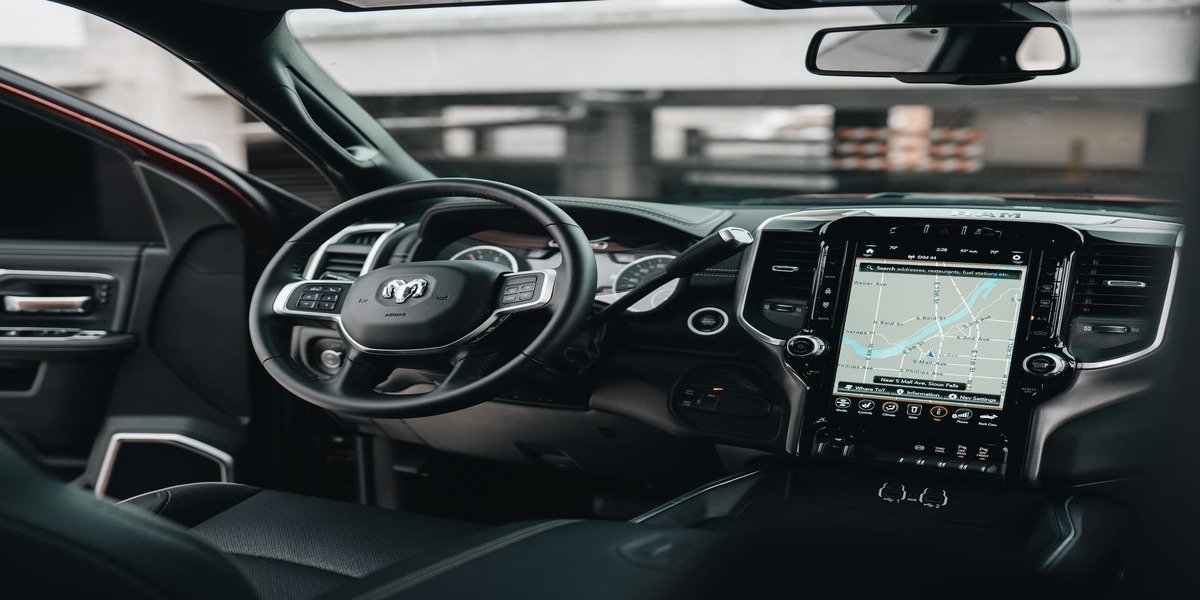
Functional integration became a recognized term in the early 1990s. Most OEMs in Europe looked upon this sector of the engineering and development process as a service provider for the CoCs (Centres of Competence).
Functional integration was created out of necessity as vehicles became more complex and regulations regarding certification and homologation more stringent. The complexity and tightness of packaging, for instance, made thermodynamics and heat protection much more demanding.
Corresponding with this demand, the engineers and managers in the whole vehicle test became more qualified; because they served all CoCs and interacted strongly with other integration areas, they became broader in their understanding of the Vehicle Development Process and product content.
The current challenge is the integration of whole vehicle software. This process overlays the entire vehicle development process from inception of concept, through the delivery stage into production, through the entire legally stipulated lifetime of the vehicle and must ensure highly connected functionality both within the vehicle as also vehicle to vehicle and vehicle to environment with the ultimate aim to achieve Level V automation (fully self-driving with no driver intervention) at the same time encompassing both upwards and downwards compatibility.
Whole Vehicle Test
In the 1970s and…
Create an account to continue reading
Create AccountAlready have an account? Sign in
Need an expert in this space?
Talk to an Industry Expert
Knowledge Ridge connects decision-makers with carefully vetted subject matter experts for one-on-one calls, research sprints, and advisory engagements — across 11 sectors and 163 sub-industries globally.
Comments
No comments yet. Be the first to comment!