
Is The Emergence Of Vertical Farming The Ultimate Solution?
Can farming defy gravity? Discover how vertical farming is transforming cityscapes into food hubs — growing more with less land, water, and energy. A revolutionary step toward sustainable, urban living. Is this the future of food?
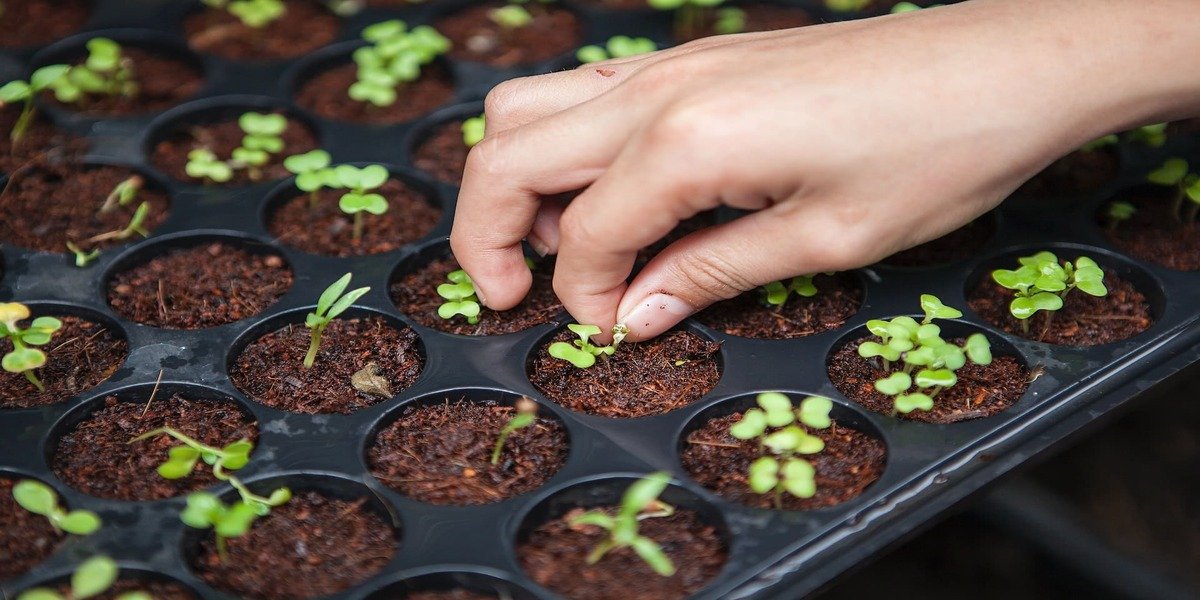
In recent years, the concept of vertical farming has emerged to address the growing concern of urbanization and the resources needed to sustain agricultural production.
The idea is simple: instead of growing crops on the ground, plants are cultivated in multi-story structures, thus maximizing space and minimizing the land required for farming.
This approach has the potential to revolutionize how we approach urban farming and has many benefits over traditional farming.
Types of Vertical Farming
What are the main types of vertical farming being used nowadays?
Hydroponic Vertical Farming
This type of vertical farming uses a liquid-based growing medium to grow produce without the use of soil. Nutrients are delivered directly to the plant’s roots through a liquid solution, allowing for more efficient energy and land use.
Aquaponic Vertical Farming
This type of vertical farming combines hydroponics with aquaculture, allowing both plants and fish to be grown in the same system. The plants benefit from the fish waste, while the fish benefit from the clean water supply.
Aeroponic Vertical Farming
This type of vertical farming uses a mist of water and nutrients to grow plants. Unlike hydroponics, it does not require a growing medium. The roots of the plants are…
Create an account to continue reading
Create AccountAlready have an account? Sign in
Need an expert in this space?
Talk to an Industry Expert
Knowledge Ridge connects decision-makers with carefully vetted subject matter experts for one-on-one calls, research sprints, and advisory engagements — across 11 sectors and 163 sub-industries globally.
Comments
No comments yet. Be the first to comment!