
Future Trends in Commercial Vehicles
This article talks about how the commercial vehicle industry is evolving with diesel, electric, and hydrogen powertrains, stricter emission norms, digital development tools, and region-specific solutions driving new opportunities and strategies.
Q1. Could you start by giving us a brief overview of your professional background, particularly focusing on your expertise in the industry?
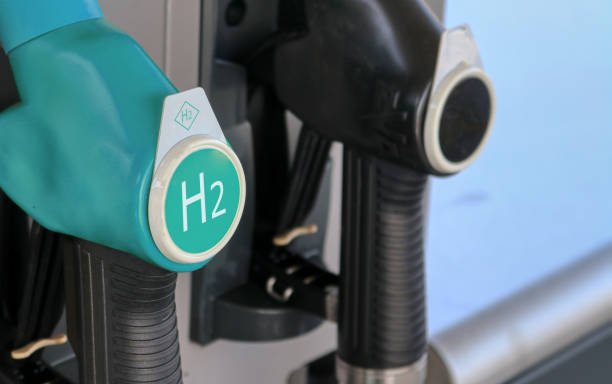
I am Samarth Jain, an automotive engineering professional driving technology programs with Bosch. With 15+ years of experience in powertrain development, calibration, vehicle integration, and technical leadership within the commercial vehicle industry , I am currently taking care of project management for the H2 Internal combustion engine for Commercial vehicle applications.
Over the years, I have worked closely with global engineering teams in Germany and China, managing complex development programs across the complete V-cycle. My experience combines strong technical depth with stakeholder management, strategic execution, and team leadership.
Q2. How is the evolving mix between diesel, electrification, and emerging options like hydrogen ICE shaping development priorities in the commercial vehicle segment?
The commercial vehicle industry is moving toward a multi-powertrain ecosystem where customers can choose between diesel, electric, and emerging hydrogen-based solutions depending on application and operational needs.
Diesel continues to dominate heavy-duty and long-haul applications due to its maturity and infrastructure, while electrification is growing rapidly in urban and short-range segments. At the same time, Hydrogen ICE is emerging as a promising solution for future heavy-duty mobility.
Create an account to continue reading
Create AccountAlready have an account? Sign in
Need an expert in this space?
Talk to an Industry Expert
Knowledge Ridge connects decision-makers with carefully vetted subject matter experts for one-on-one calls, research sprints, and advisory engagements — across 11 sectors and 163 sub-industries globally.
Comments
No comments yet. Be the first to comment!