
Gasification: Advancing Sustainable Sludge Management
This article explores gasification as an innovative solution for wastewater treatment plant sludge, highlighting its benefits for waste minimization, energy recovery, and environmental sustainability.
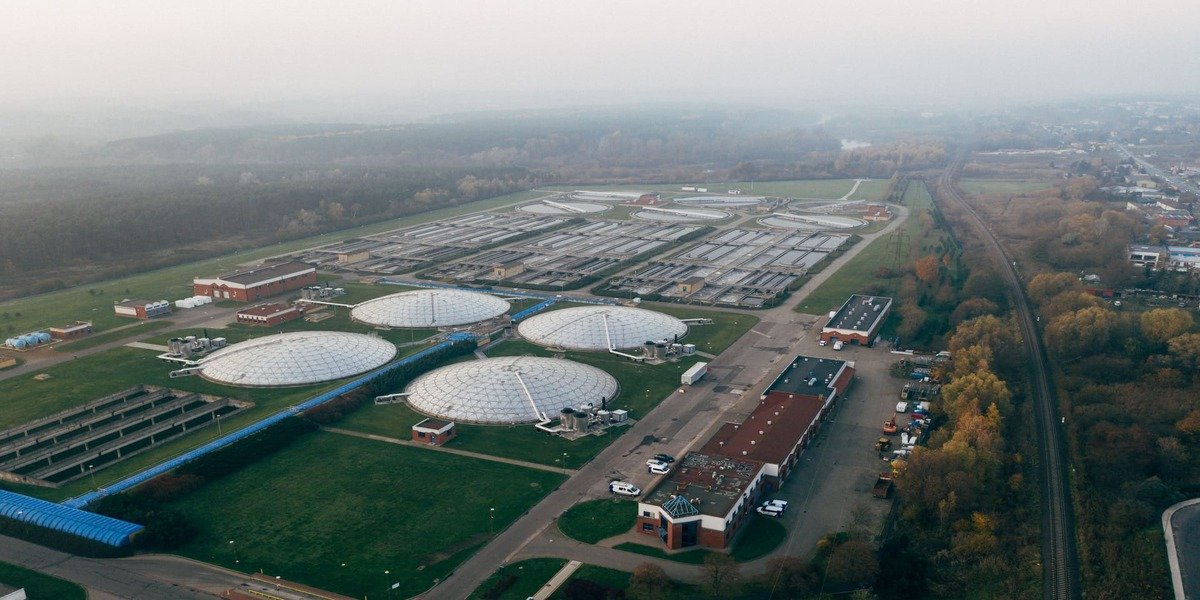
Wastewater Treatment Plants (WWTPs) play a pivotal role in purifying water by subjecting it to a series of processes to reduce pollutants, thereby minimizing environmental risks. However, these processes generate a byproduct known as sludge. Traditionally, sludge management involved various methods like farmland application, landfill deposition, incineration, or even dumping into the sea. However, these methods are either unsustainable or pose significant environmental challenges.
The focus has shifted to exploring alternative approaches for managing this sludge, considering its potential as a source of materials and energy. One innovative solution gaining attention is the gasification of WWTP sludge, leading to energy recovery and minimizing waste.
Understanding Gasification Process
Gasification is a thermochemical process involving the transformation of carbonaceous substrates (such as residual biomass or WWTP sludge) into a combustible gas using a gasifying agent like air, oxygen, or water vapor. This process generates a gas composition primarily containing CO and/or H2, offering potential energy recovery benefits.
The energy content of the gas produced varies based on the conditions of gasification. Factors such as organic matter in the substrate and the gasifying agent used influence the calorific value of the gas. The resulting gas, rich in CO and H2, can be utilized…
Create an account to continue reading
Create AccountAlready have an account? Sign in
Need an expert in this space?
Talk to an Industry Expert
Knowledge Ridge connects decision-makers with carefully vetted subject matter experts for one-on-one calls, research sprints, and advisory engagements — across 11 sectors and 163 sub-industries globally.
Comments
No comments yet. Be the first to comment!