
Gearbox Fundamentals: Types, Uses, and Care
This article explains gearbox components, types, industrial applications, maintenance best practices, failure causes, and material choices, providing a practical guide for reliability and performance.
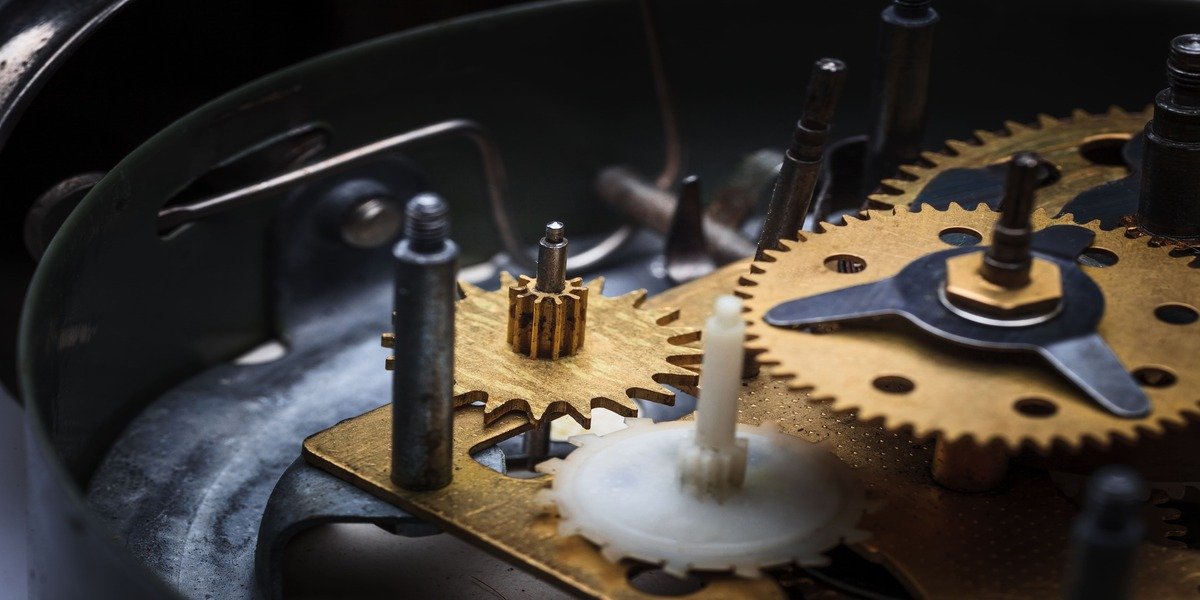
A gearbox is a collection of mechanical components that deliver maximum power from an engine by managing a series of gear ratios that, in turn, operate a transmission. These components include:
- Gear selector
- Fork
- Dogteeth
- Gear set
The gearbox, with its primary function of increasing or reducing speed, plays a crucial role in managing an engine's power output. This results in a proportional change in torque output, where an enclosed drive as a speed reducer (speed output is less than speed input) will increase torque output, and vice versa.
Types of Gear Box
Helical gearbox
- Coaxial helical inline gearbox
- Skew bevel helical gearbox
- Worm reduction gearboxes
- Sliding mesh type gear box
Applications of Gearbox
Gears are required to keep the engine at rotational speeds, which creates a desirable amount of power across a wide range of road speeds. Generally, the faster an engine turns, the more fuel it consumes and the more power it makes. Engines are also only capable of rotating to a maximum speed.
The various areas where the gearbox is used are:
- Marine
- Industrial equipment
- Steel Plant
- Railway
- Power Plants
- Cooling Towers
- Automobiles & etc.
Reasons for Gearbox Failure
Gearbox failure can causes a complete machinery breakdown,…
Create an account to continue reading
Create AccountAlready have an account? Sign in
Need an expert in this space?
Talk to an Industry Expert
Knowledge Ridge connects decision-makers with carefully vetted subject matter experts for one-on-one calls, research sprints, and advisory engagements — across 11 sectors and 163 sub-industries globally.
Comments
No comments yet. Be the first to comment!