
Greenhouses vs. Vertical Farms: CEA’s Future
This article compares greenhouses and vertical farms in controlled environment agriculture, analyzing their energy needs, scalability, sustainability, and collaborative potential to create a resilient, efficient food system.
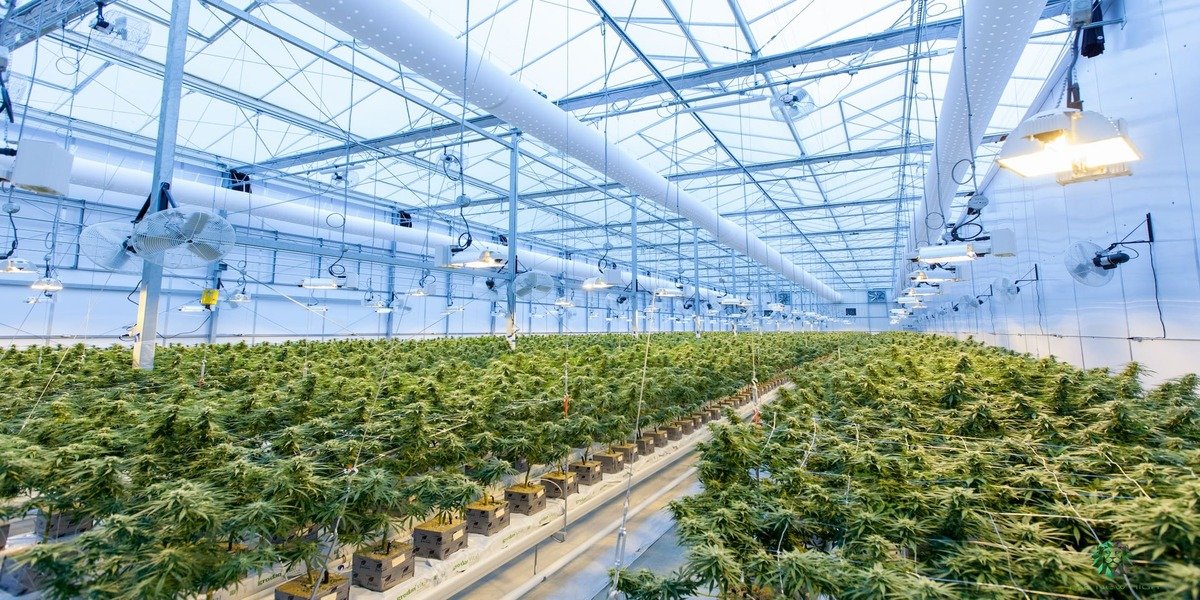
The global food system faces pressing challenges related to food security and environmental sustainability, necessitating significant transformations at all levels. These challenges are driven by a growing global population, the climate crisis, and the need for more efficient production methods with reduced environmental impact.
Controlled Environment Agriculture (CEA), also known as indoor farming, emerges as a solution offering advantages over traditional farming. It minimizes reliance on environmental conditions, enhances pollution control, and improves overall sustainability. CEA encompasses various systems, from greenhouses to fully indoor or vertical farms, differing in cultivation techniques and sophistication levels.
Vertical farms represent a more advanced form of CEA, employing stacked layers for crop growth, often indoors. They use hydroponic or aeroponic systems, enabling soil-less cultivation with nutrient-rich water or mist. Located closer to urban centers, they utilize space creatively, such as rooftops and basements, to cater to city consumers.
Greenhouses, a centuries-old agricultural staple, protect from weather and pests, extending growing seasons and ensuring food security. They offer controlled environments with temperature, humidity, and light regulation, making them essential for producing fresh produce.
Factors Differentiating Greenhouses and Vertical farms
Energy consumption
Energy consumption is a significant concern. Greenhouses benefit from natural sunlight during the day,…
Create an account to continue reading
Create AccountAlready have an account? Sign in
Need an expert in this space?
Talk to an Industry Expert
Knowledge Ridge connects decision-makers with carefully vetted subject matter experts for one-on-one calls, research sprints, and advisory engagements — across 11 sectors and 163 sub-industries globally.
Comments
No comments yet. Be the first to comment!