
Strategizing Hydrocarbon Demands During Russian-Ukraine War
When war meets energy — the world trembles. Discover how the Russia-Ukraine conflict reshaped global oil, gas, and geopolitics, forcing nations to rewrite their energy strategies and balance power like never before.
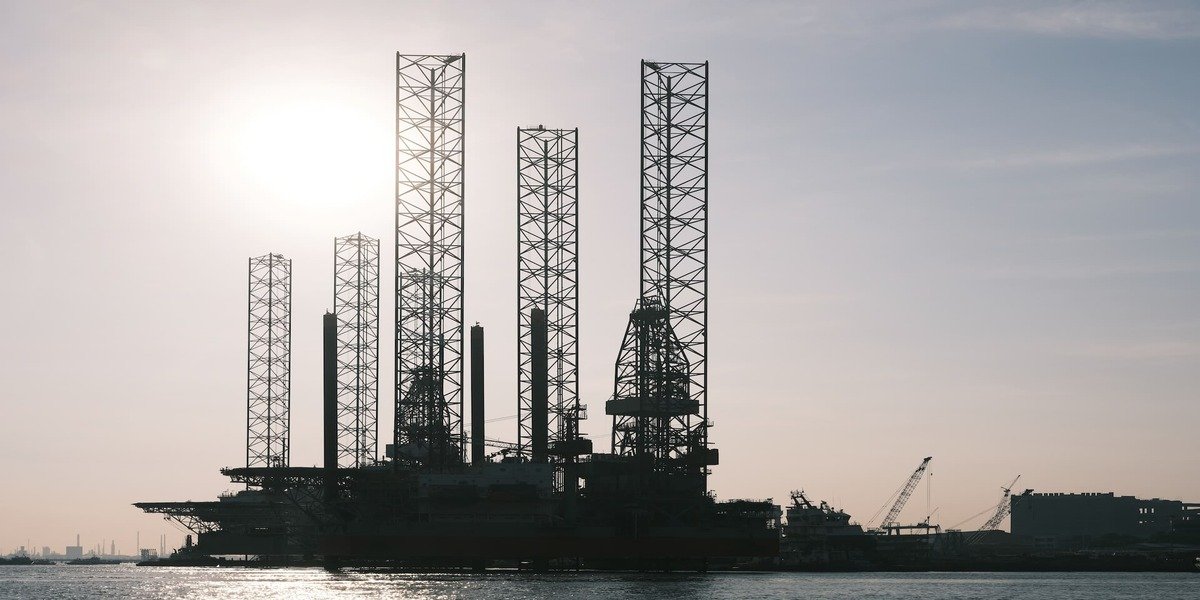
Although crude oil prices were already rising even before the Russia-Ukraine war owing to post COVID-19 demands, including oils, Russia's invasion of Ukraine has left a deep economic, business, and even human impact disrupting supply chains, industries, lives, and livelihood.
Russia is among the biggest producer of oil and natural gas globally. It produces an average of 10-11 million barrels of liquid fuel products per day and meets 25% of global needs. Europe is the main market for Russian hydrocarbons of oil and gas due to the lack of these energy sources in European countries, meaning that the European economy and, nonetheless Russian economy are interdependent on oil, gas, and hydrocarbon trade. The US also meets much of the hydrocarbon needs from Russia.
Spearheaded by the ban of the USA in March of Russia's oil, gas, and hydrocarbons aftermath of Russia's invasion of Ukraine war in February, sooner UK followed the ban, and the European Union also said it would cut Russian oil imports by two-thirds. So the invasion of Ukraine by Russia and the series of banning from the USA and western countries sent the prices of oil and gas soaring worldwide.
Otherwise, too, hydrocarbon output before the invasion…
Create an account to continue reading
Create AccountAlready have an account? Sign in
Need an expert in this space?
Talk to an Industry Expert
Knowledge Ridge connects decision-makers with carefully vetted subject matter experts for one-on-one calls, research sprints, and advisory engagements — across 11 sectors and 163 sub-industries globally.
Comments
No comments yet. Be the first to comment!