
In-House Vs. Outsource Manufacturing
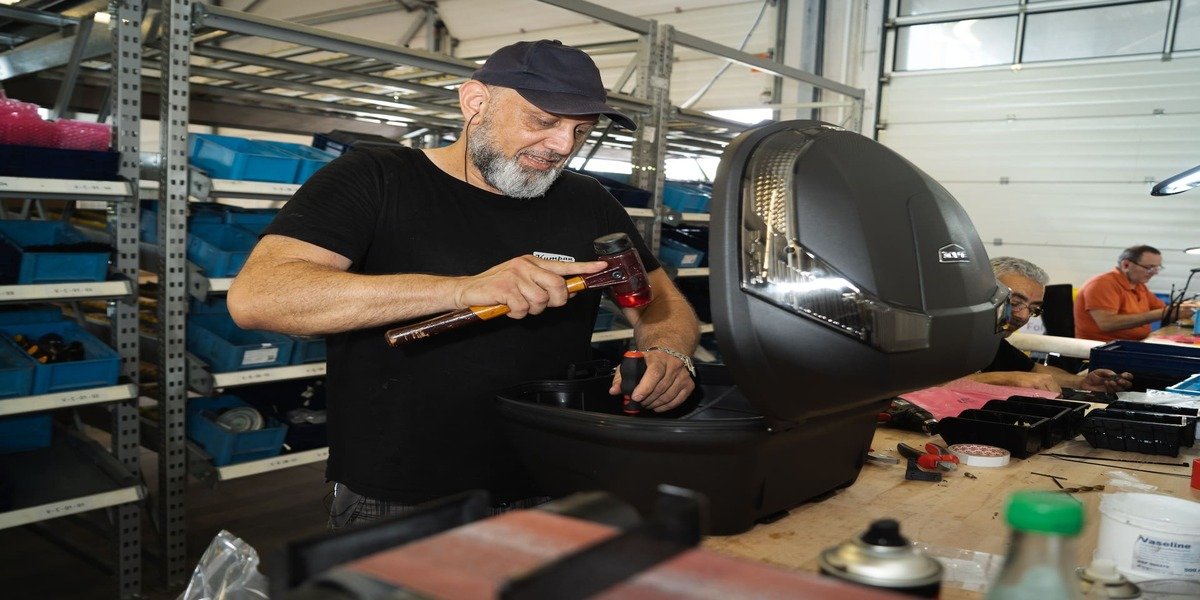
In today's growing economy, companies often face the decision of whether to manufacture their products in-house or outsource the production to external suppliers (Contract manufacturers). This decision significantly affects the company's operations, costs, and overall competitiveness. There are advantages and disadvantages to both approaches for volume manufacturing.
In-House Manufacturing
One of the primary advantages of in-house manufacturing is the company's ability to control the entire production process. Businesses directly oversee quality control, production schedules, and intellectual property by keeping manufacturing in-house. This level of control allows for greater flexibility and agility in responding to market demands and changing customer preferences.
However, in-house manufacturing comes with its own set of challenges. Companies must invest in infrastructure, equipment, and skilled labor, which can be costly and time-consuming.
Additionally, they are responsible for maintaining and upgrading their manufacturing capabilities to remain competitive in a rapidly evolving marketplace.
Outsource Manufacturing
On the other hand, outsourcing manufacturing offers several benefits, particularly cost savings and scalability.
External suppliers often benefit from economies of scale, specialized expertise, and lower labor costs, which can result in reduced production expenses for the company.
Furthermore, outsourcing allows businesses to focus on their core competencies and allocate resources to research and…
Create an account to continue reading
Create AccountAlready have an account? Sign in
Need an expert in this space?
Talk to an Industry Expert
Knowledge Ridge connects decision-makers with carefully vetted subject matter experts for one-on-one calls, research sprints, and advisory engagements — across 11 sectors and 163 sub-industries globally.
Comments
No comments yet. Be the first to comment!