
E-Waste Management
India generates 3.2 million tons of e-waste annually, with only 16% recycled. Expert Gautam Sharma highlights the urgent need for responsible recycling, private-sector collaboration, and extended producer responsibility to make e-waste management sustainable for the future.
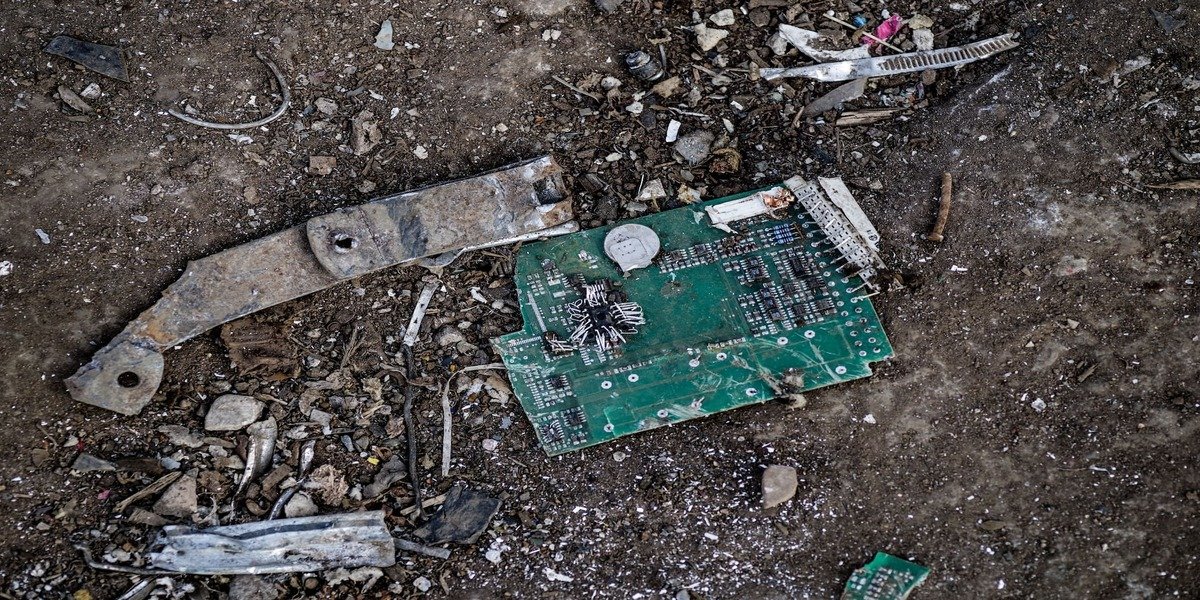
E-Waste is unwanted electronic and electrical products that are not working and nearing the end of their "useful life".
Market Trend
The global e-waste management market had a revenue holding of USD 56.56 billion in 2021. It is expected to reach USD 189.8 billion by 2030, growing at a CAGR of 14.4% during the forecast period.
Types Of E-Waste
Type 1
Major appliances (refrigerators, washing machines, dryers, etc.)
Type 2
Small appliances (vacuum cleaners, irons, blenders, fryers, etc.)
Type 3
Computer and telecommunication appliances (laptops, PCs, telephones, mobile phones, etc.)
E-Waste Disposal Cycle
From the recycling centre, specialist waste disposal companies take the discarded electrical products to a reprocessing plant, which is shredded into small pieces.
Once shredded, strong magnets remove ferrous metals, such as steel and non-metallic metals are collected using electronic currents, and precious metals recovery is done.
Numbers In India
Today, India is burdened with 1.8 billion tons of legacy waste, and India produces 3.2 million tons of E-waste, of which just 16% is recycled.
The solution to this waste problem is to reduce, reuse and recycle by taking the support of private sector organizations, which the Pollution Control Board authorizes to recycle these hazardous waste categories.
Create an account to continue reading
Create AccountAlready have an account? Sign in
Need an expert in this space?
Talk to an Industry Expert
Knowledge Ridge connects decision-makers with carefully vetted subject matter experts for one-on-one calls, research sprints, and advisory engagements — across 11 sectors and 163 sub-industries globally.
Comments
No comments yet. Be the first to comment!