
India's Energy Transition: Challenges & Progress
This article examines India’s energy transition within the ESG framework, discussing climate risks, the shift to renewables, policy initiatives, investment needs, and strategies for sustainable growth.
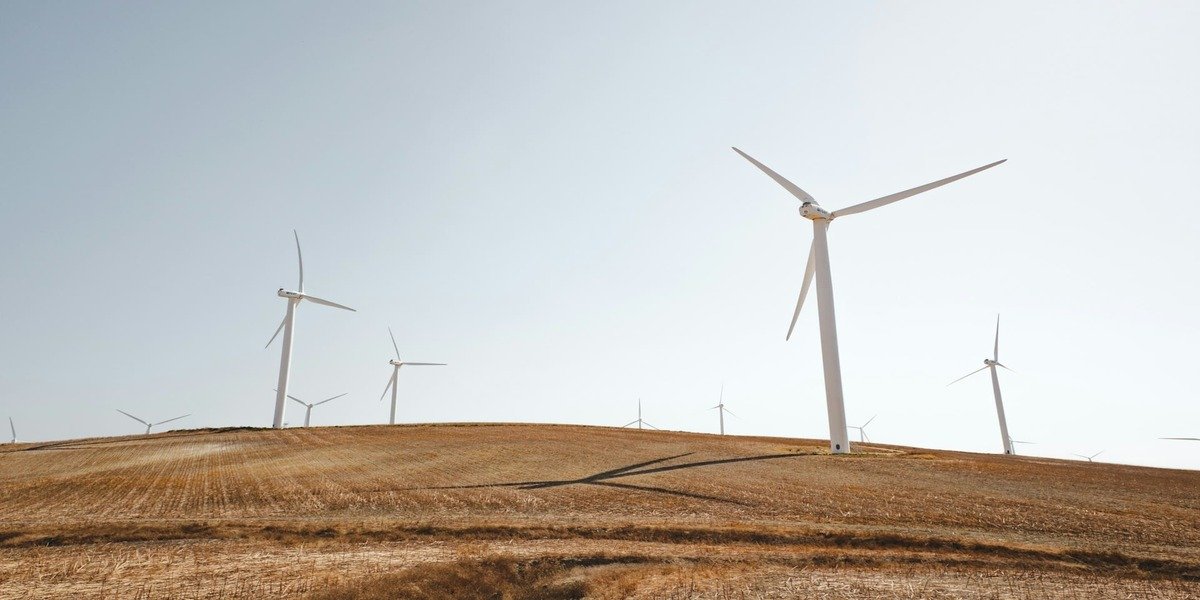
One topic that is debated at all forums is issues related to Environment, Social and Governance (ESG). ESG has become extremely critical for all companies as investors and capital markets have become highly active and demanding action on this aspect. One of the critical topics in ESG is “Energy Transition” wherein sources of energy must move from fossil fuels to sources, which have a lesser carbon footprint, like renewable sources like solar, wind, etc.
Why is energy transition critical?
As per the World Economic Forum's Global Risk report, the top three risks are:
- Extreme weather
- Misinformation spread
- Societal Polarization
To add, over the next 10 years, the top risks are:
- Extreme weather
- Critical changes to Earth`s systems
- Biodiversity loss and ecosystem collapse
- Natural resources shortages
Other risks, like polarization in society due to misinformation and Artificial Intelligence risks, rank lower than climate change-related risks.
One of the leading factors in climate change risk is global warming due to the high usage of fossil fuels like coal and oil. Less fossil fuel use and more renewable sources is the way forward.
According to the estimates, the share of fossil fuels in the global mix is expected to decrease from present levels…
Create an account to continue reading
Create AccountAlready have an account? Sign in
Need an expert in this space?
Talk to an Industry Expert
Knowledge Ridge connects decision-makers with carefully vetted subject matter experts for one-on-one calls, research sprints, and advisory engagements — across 11 sectors and 163 sub-industries globally.
Comments
No comments yet. Be the first to comment!