
Insects: A Nightmare Of Every Farmer
Insects like aphids, thrips, beetles, moth larvae, gall midges, and leafhoppers cause major crop losses by feeding on plants and spreading diseases. Effective pest control using targeted insecticides ensures healthier, higher-yield crops.
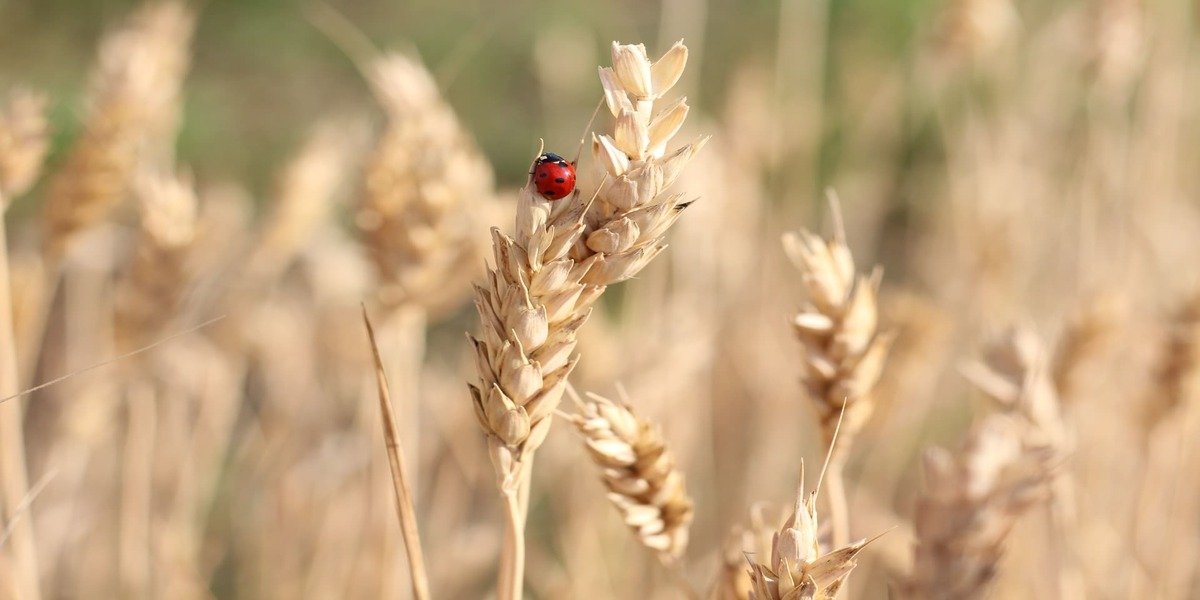
Since the beginnings of agriculture, farmers have had to compete with harmful organisms – Insects. The damage caused by insects, is one of the primary factors for reduced crop production. They are responsible for two major kinds of damage to growing crops. The first is direct injury to plants caused by insects eating leaves and burrowing holes in stems, fruit, and/or roots. The second is indirect damage, where the insects themselves do little or no harm but transmit the bacterial, viral, or fungal infection to a crop.
Insects reduce the quality of crops. They eat up the leaves of crops, thereby reducing the photosynthetic activity of the plant. They cause injury which may predispose crops to diseases attack. Every year 20%-30% of crops are destroyed due to diverse types of insect attacks. Our farmers have been managing agricultural insects for thousands of years. These insects include Aphid, mites, leaf miner, cutworm, caterpillars, thrips, jassids, whiteflies, leaf folder, and grey weevil. Aphids are one of the main culprits in this regard, carrying diseases from plant to plant often uncontrollably as numbers multiply. In this blog, we get information about leaf-damaging insects.
- Aphids seem to find their way into most of the…
Create an account to continue reading
Create AccountAlready have an account? Sign in
Need an expert in this space?
Talk to an Industry Expert
Knowledge Ridge connects decision-makers with carefully vetted subject matter experts for one-on-one calls, research sprints, and advisory engagements — across 11 sectors and 163 sub-industries globally.
Comments
No comments yet. Be the first to comment!