
Integrated Materials Management Module-A Need For Sustainable Growth
Many startups and businesses collapse under the weight of poor inventory management. This article reveals how an integrated materials system—built on smart vendor selection, just-in-time strategies, and accountability—can turn supply chains from cash drains into profit engines.
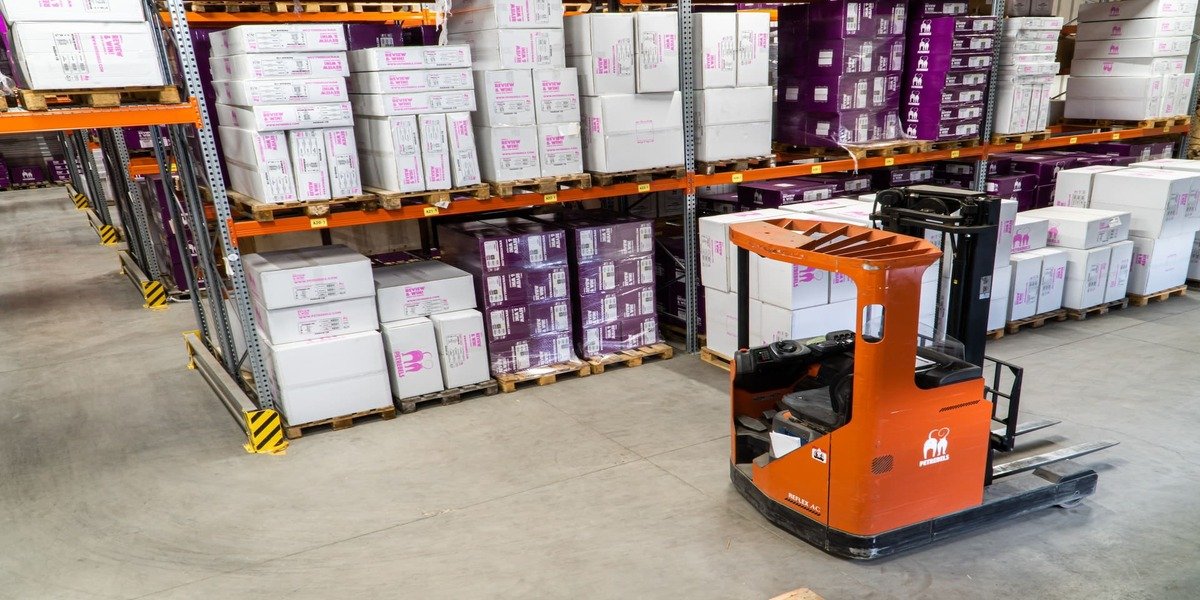
With growing uncertainty in global markets and non-linear market demands, many organizations are reeling under heavy inventories in the supply chain and an increase in liabilities, affecting their business growth. Much of the financials are blocked in the entire supply chain resulting in bankruptcy.
Today's contemporary start-up companies are unaware of inventory management and land into acute financial crisis at the early stage of their business. Therefore it is a compelling necessity to implement an integrated materials management module/system to monitor and control the entire supply chain from procurement of raw materials and components to the delivery of the final product to delivery locations.
Materials departments should be empowered to:
- Procure raw materials and components
- Vendor/supplier contractor selectionVendor/supplier/contractors quality audit
- Price negotiation/procurement planning based on production schedules/market demand,
- Logistics,
- Stores and material handling,
- Warehouse inventories
- Allocation of funds and payments to vendors/suppliers with credit standards
- Budgetary preparation of materials and MIS preparation for the Board of Directors for designing Business plans
- Accountability from inward components and raw materials to the final fresh product delivery
- Classifying materials and standardizing them into categories based on value, criticality, lead time for delivery, storage requirements, and shelf life.
The prime objective is to procure…
Create an account to continue reading
Create AccountAlready have an account? Sign in
Need an expert in this space?
Talk to an Industry Expert
Knowledge Ridge connects decision-makers with carefully vetted subject matter experts for one-on-one calls, research sprints, and advisory engagements — across 11 sectors and 163 sub-industries globally.
Comments
No comments yet. Be the first to comment!