
IoT Air Sensors: Hype or Health Essential?
IoT air quality sensors promise smarter, healthier buildings, but their real value depends on application—simple gadgets for homes, yet powerful tools for data-driven ventilation, efficiency, and comfort in commercial spaces.
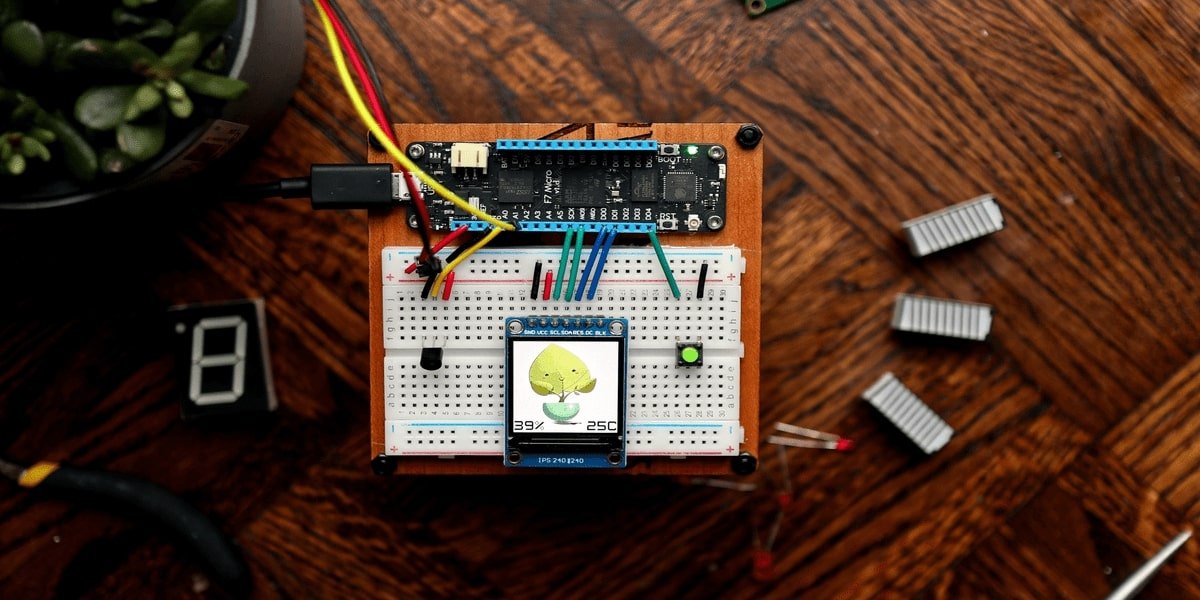
Today, we see in the market numerous companies offering multi-sensors for indoor air quality with a trendy aesthetic design and connectivity to smart phone, wi-fi etc.
In their marketing communication, the manufacturers seem to focus, first of all, on a wide range of measured parameters, from conventional up to quite exotic. Such an extensive range of parameters may perhaps impress the “ordinary consumers”, meanwhile it rather causes sceptical smiles among the specialists in the field of ventilation and indoor air quality, especially when it comes to the private residential sector.
The conventional values such as relative humidity and CO2 concentration can be used for modulating the airflow in a dwelling, a principle known as demand-controlled ventilation, but what to do with the rest of parameters, knowing that there is no unambiguous link between the measured values and the required ventilation control algorithm?
Therefore, a legitimate question arises: are these devices a useful thing helping to ensure a healthy air in the buildings, or just another trendy gadget? The answer, in my opinion, depends a lot on the targeted user segment. Let’s look at them one by one.
Residential buildings
In the “average” individual house or an apartment the CO2 level…
Create an account to continue reading
Create AccountAlready have an account? Sign in
Need an expert in this space?
Talk to an Industry Expert
Knowledge Ridge connects decision-makers with carefully vetted subject matter experts for one-on-one calls, research sprints, and advisory engagements — across 11 sectors and 163 sub-industries globally.
Comments
No comments yet. Be the first to comment!