
IoT Evolution: A Practitioner’s View
Over the last decade, IoT adoption lagged expectations due to business-value misalignment, ecosystem complexity, technology fragmentation, OT-IT divide, poor user experience, and limited device intelligence. Edge AI and 5G now promise true “Internet of Intelligent Things.”
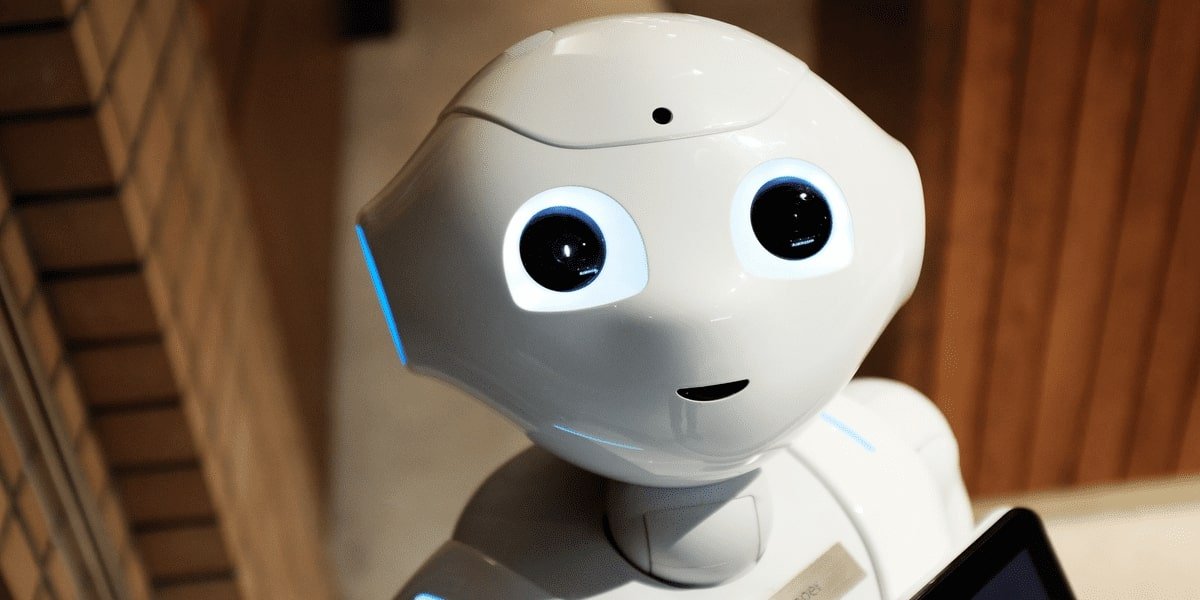
An IoT Practitioner’s perspective of the IoT evolution over the last decade.
While The term Internet of Things was coined around the year 2000, it was in the decade of 2010s that it really caught the imagination of industry pundits. It was predicted that there would be 50 Billion IoT devices by 2020. IoT was at the top of Gartner Hype curve for several years and it was also predicted that it would achieve rapid adoption bypassing the Trough of Disillusionment.
However, reality is different today. Even the most optimistic estimates show that there are no more than 20–25 Billion IoT devices in 2020 today. Adoption of IoT is nowhere nearly as widespread or impactful as it was anticipated. So, what went wrong? What are the challenges that face IoT before it can live up to its promise?
A business problem Not a technology problem
Firstly, it needs to be understood that IoT is a solution to a business problem and not a technology problem. IoT was positioned as a silver bullet for all problems across consumer and enterprise domains. However, there was not enough focus on the actual business value that IoT can unlock.
Adoption of IoT remains slow…
Create an account to continue reading
Create AccountAlready have an account? Sign in
Need an expert in this space?
Talk to an Industry Expert
Knowledge Ridge connects decision-makers with carefully vetted subject matter experts for one-on-one calls, research sprints, and advisory engagements — across 11 sectors and 163 sub-industries globally.
Comments
No comments yet. Be the first to comment!