
Is the Real Estate Market Going to Crash?
The U.S. real estate market surged post-COVID due to low interest rates, limited inventory, and high demand. Unlike 2008, fundamentals are strong—homeowners hold equity, lending is stable, and policies support growth.
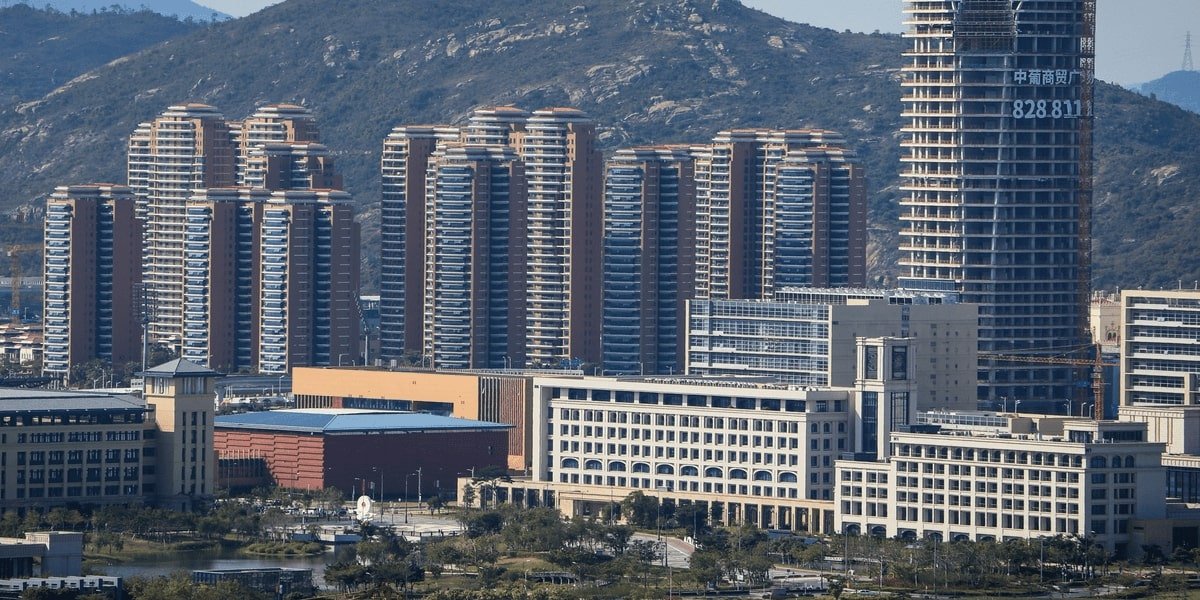
When COVID-related shutdowns began in March, real estate brokers scrambled to respond to the shift and homeowners debated whether or not to put their houses on the market. What has followed since is a period of unprecedented demand in the U.S. real estate market, which ended the year with increasing average home prices and shrinking days on market.[1]
You may be wondering whether the good times can continue? If you’re a homeowner, should you take advantage of this opportunity? If you’re a buyer, should you jump in and risk paying too much? Below we answer some of your most pressing questions.
How is today’s market different from the one that caused the 2008 meltdown?
The conditions that led to 2008’s recession differed from those that triggered the current downturn—and this time, the housing market is the source of much of the good news.[2] This is in line with historical patterns, as housing prices traditionally hold steady in the face of recession.
This time banks are better funded, homeowners hold more equity, and economic activity is focused on financial factors outside the housing market. As industries pivoted to work-from-home, early fears of widespread job loss-related foreclosures have failed to materialize. Federal…
Create an account to continue reading
Create AccountAlready have an account? Sign in
Need an expert in this space?
Talk to an Industry Expert
Knowledge Ridge connects decision-makers with carefully vetted subject matter experts for one-on-one calls, research sprints, and advisory engagements — across 11 sectors and 163 sub-industries globally.
Comments
No comments yet. Be the first to comment!