
Lightning Protection in Buildings
Lightning protection systems (LPS) safeguard buildings and people from lightning damage by safely channeling electrical discharge through air terminals, down conductors, and effective earthing, following IEC 62305 and NFPA 780 standards.
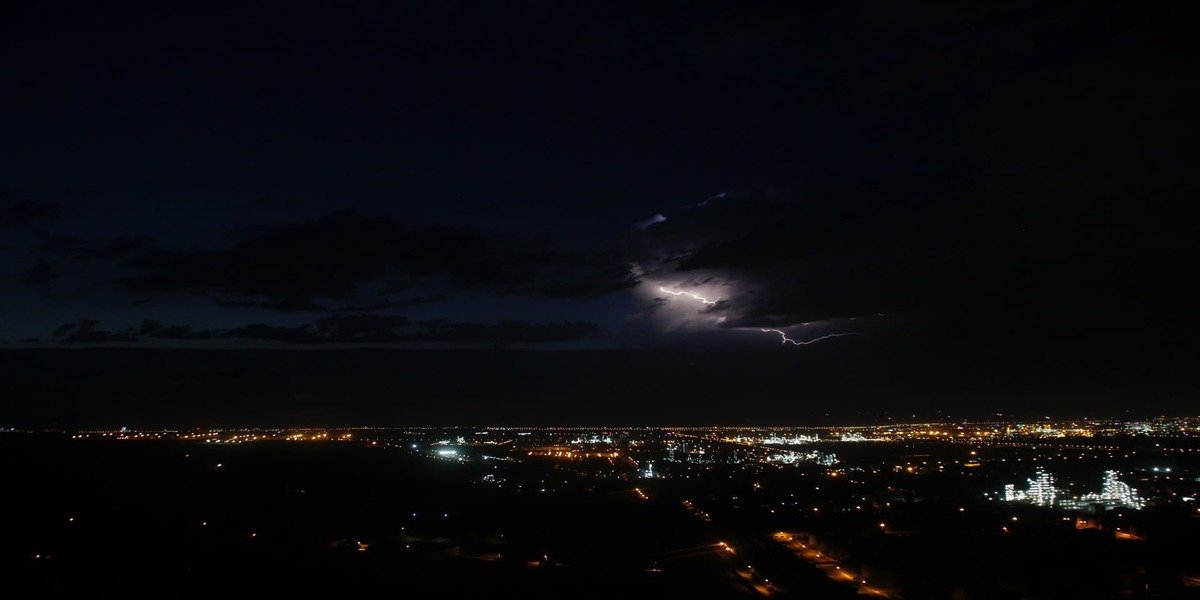
Necessity of lightning protection system:
- Lightning is one of nature’s most powerful & destructive phenomena.
- It contains a huge amount of energy (several thousands of Amps)
- It is a short duration ( up to 200 µsec ) but is a real cause of damage & destruction
- Primary effect- Buildings damaged, trees blown, personal injuries and even death
- Secondary effect- Transient overvoltage- damage to electronic system
- It can also cause fire, explosion, chemical release or mechanical disruption within or around a bldg.
Lightning Protection System (LPS)
- The lightning rod (Rod is earthed by one or more conductors)
- The lightning rod with taut wires (stretched above structure)
- Lightning conductor with meshed cage/Faraday cage (numerous down conductors & tape symmetrically placed)
Standards:
- BS 6651
- NFPA 780
- BS-EN/IEC 62305
- In Aug. 2008, BS 6651 has been withdrawn
- Now IEC 62305 & NFPA 780 are the recognised standards for LPS
Elements of a Lightning Protection System (LPS)
- Air Termination System (Arrestor)
- Arranged at or along upper points of a roof
- Used to capture lightning current
- Dissipate it harmlessly to earth
- Material- Copper, Aluminium
- It consists of base, air rods & multiple points
- 25*6 mm Al tape on surface interconnected through clips and clamps (fig. 1…
Create an account to continue reading
Create AccountAlready have an account? Sign in
Need an expert in this space?
Talk to an Industry Expert
Knowledge Ridge connects decision-makers with carefully vetted subject matter experts for one-on-one calls, research sprints, and advisory engagements — across 11 sectors and 163 sub-industries globally.
Comments
No comments yet. Be the first to comment!