
Offshore Wind Power: Far East Asia's Surge
Explore the rapid growth of offshore wind power in Far East Asia—technological advances, country targets, opportunities, and challenges—driving the region’s leadership in the global clean energy transition.
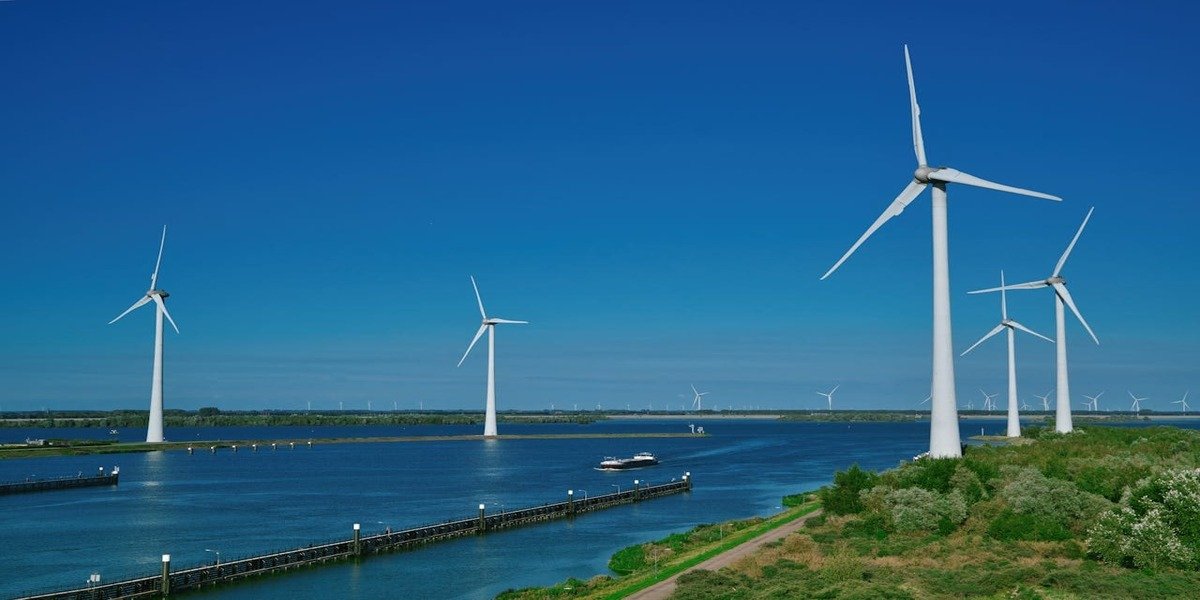
In the dynamic world of renewable energy, the offshore wind sector is experiencing a remarkable surge, particularly in the Far East Asian region. Offshore wind farms and wind power plants installed in the sea have become a driving force in the quest for sustainable electricity generation. Typically, there are two main types of offshore wind projects -
- Fixed-bottom wind turbine generators
- Floating wind turbine generators
As countries work to meet their climate commitments under the Paris Agreement, these offshore wind technologies play an increasingly vital role in the global transition to clean energy.
Fixed wind projects, characterized by using fixed-bottom foundations such as monopiles, jackets, tripods, or gravity bases, have emerged as the predominant technology in this field. These projects are well-suited for shallow to medium water depths, typically up to 50 meters, where installation and maintenance costs are more manageable.
The Far East Asian region, encompassing countries like China, Japan, and South Korea, has significant potential for offshore wind energy. With its long coastlines, strong and consistent winds, high population density, and growing electricity demand, this region has emerged as a global leader in the offshore wind industry.
According to the Global Wind Energy Council (GWEC), Far East Asia…
Create an account to continue reading
Create AccountAlready have an account? Sign in
Need an expert in this space?
Talk to an Industry Expert
Knowledge Ridge connects decision-makers with carefully vetted subject matter experts for one-on-one calls, research sprints, and advisory engagements — across 11 sectors and 163 sub-industries globally.
Comments
No comments yet. Be the first to comment!