
Operational Stability in Aviation Systems
This article talks about how operational stability in aviation depends on lifecycle governance, cross functional alignment, and disciplined variance control rather than surface level performance metrics or short term throughput gains.
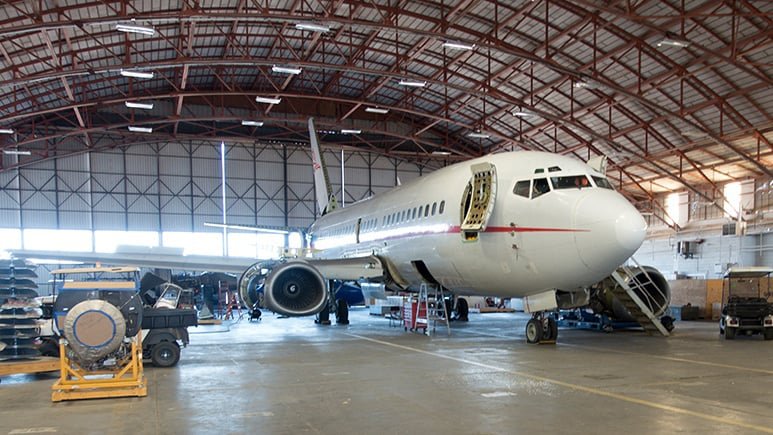
Q1. Give us an overview of your professional journey and how your roles have evolved over time.
I started my career on the technical side, working in engineering, fleet management, and quality assurance. That foundation shaped the way I think even today. When you begin close to the aircraft and close to compliance, you understand very quickly that technical decisions are never just technical. They affect operations. They affect cost. They affect risk exposure.
As I moved into program management and later into planning and performance leadership roles, I began to notice something consistent. Most operational instability was not caused by technical limitations. It was usually caused by gaps between functions. Engineering would be aligned one way. Planning another. Quality involved too late. Cost control reacting instead of anticipating.
Over time, my focus shifted. I was less interested in solving individual issues and more interested in understanding why the system allowed those issues to repeat. That led me to concentrate on lifecycle stability, from aircraft induction through heavy maintenance and eventually lease return.
My PMP and CMQ/OE certifications formalized the structure behind what experience had already taught me. Operations need discipline, governance, and cross-functional clarity. Today my role sits across…
Create an account to continue reading
Create AccountAlready have an account? Sign in
Need an expert in this space?
Talk to an Industry Expert
Knowledge Ridge connects decision-makers with carefully vetted subject matter experts for one-on-one calls, research sprints, and advisory engagements — across 11 sectors and 163 sub-industries globally.
Comments
No comments yet. Be the first to comment!