
Optimizing Agri-Supply Chains
This article talks about strategies for optimizing agri-supply chains, covering procurement, digitization, team management, and future growth opportunities for long-term efficiency and resilience.
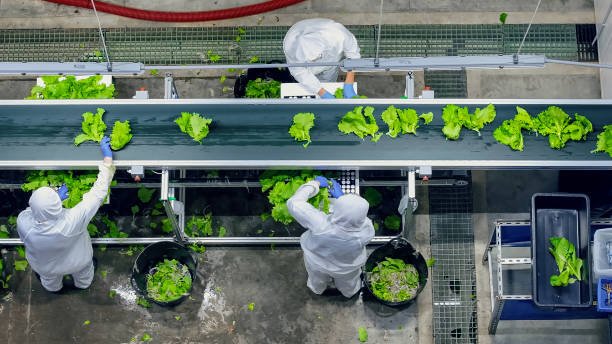
Q1. You’ve managed procurement, warehouse operations, and export supply chains across multiple categories. Could you briefly outline how your responsibilities evolved as you moved into senior operations and business-head roles?
Early on, responsibilities were very execution-driven: daily buying from mandis and suppliers, rate discovery, basic hedging decisions, coordinating with transporters, and supervising loading, unloading, and primary QC at warehouses and packhouses. As you moved into senior roles, the focus shifted to category P&L, network design, contract structures, credit and risk policies, and building processes for procurement, warehousing, and exports rather than personally firefighting every issue. At business-head level, responsibilities further expanded to long-term sourcing strategy, capex decisions for hubs, tech/tool selection, key account management, and building leadership depth so that operations run through dashboards and reviews rather than only ground presence.
Q2. With agri-commodities facing frequent price volatility and supply disruptions, how do you approach supplier diversification and sourcing strategies to maintain cost stability and quality consistency?
For volatile agri-commodities, the base is always a diversified supplier portfolio by geography, farm belts, and supplier type (farmers/FPOs, processors, traders), with clear volume splits so no single supplier or region crosses a set dependency threshold. On top of that, you combine different…
Create an account to continue reading
Create AccountAlready have an account? Sign in
Need an expert in this space?
Talk to an Industry Expert
Knowledge Ridge connects decision-makers with carefully vetted subject matter experts for one-on-one calls, research sprints, and advisory engagements — across 11 sectors and 163 sub-industries globally.
Comments
No comments yet. Be the first to comment!