
How Is Your Company Doing With Flexible Packaging?
Flexible packaging is everywhere, yet less than half is recycled today. Challenges like mixed materials, contamination, and low buyer interest block recycling. Innovations in design, mono-materials, and testing are key—explore how the future of flexible packaging is being reshaped.
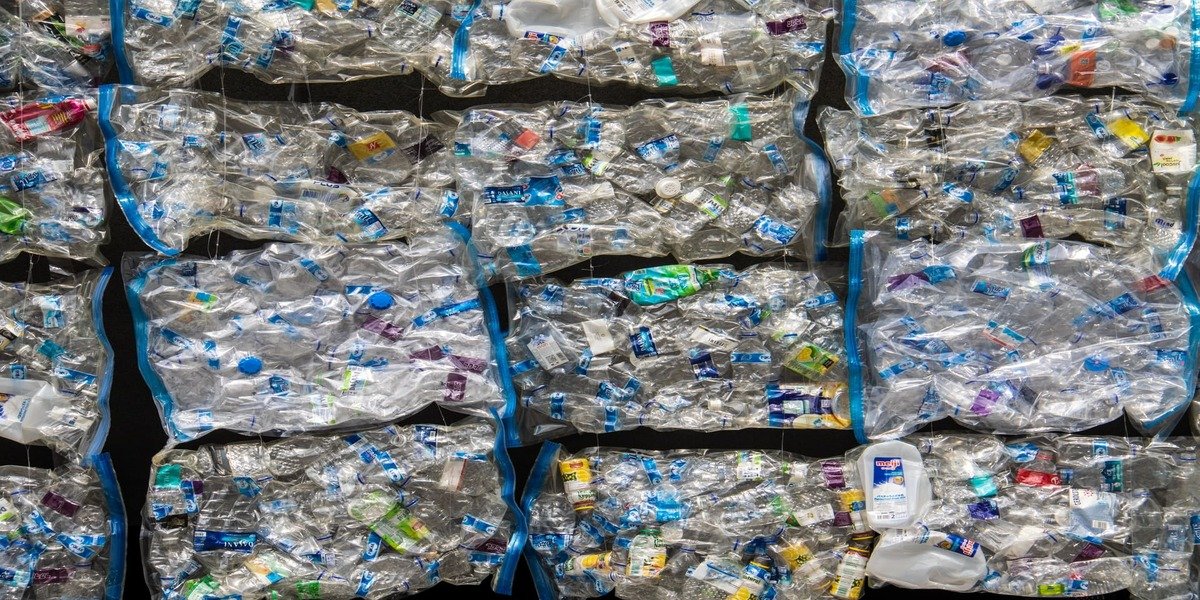
There is not enough education for others, especially when it comes to packaging.
In a meeting, a few days back, the company's top manager questioned me about the problem with flexible packaging's low recycling rates. How is it possible that it is still not fixed in 2022, he asked? The first thought that came to my mind was why he was asking this.
It is evident and understandable, but then I realised that it might not be known to everyone.
I instructed him to close his eyes and visualise as much of the primary food packaging as he could, including all the food items available in the store and at home.
Around half of it comes from flexible packaging indeed (BTW, only around 40% of it is represented by mono materials today).
Flexible packaging is a great and sustainable solution for many products and processes. Everyone agrees on that but not from the standpoint of current recycling. Difficult to imagine?
So, imagine that you buy 100 products in flexible packaging, and only a tiny fraction of all your flexible packaging waste will become recycled today.
Surprised again, he came with more questions.
I went then to details like varying sorts…
Create an account to continue reading
Create AccountAlready have an account? Sign in
Need an expert in this space?
Talk to an Industry Expert
Knowledge Ridge connects decision-makers with carefully vetted subject matter experts for one-on-one calls, research sprints, and advisory engagements — across 11 sectors and 163 sub-industries globally.
Comments
No comments yet. Be the first to comment!