
Planning For The Future
When disasters strike, recovery isn’t just about rebuilding cities—it’s about healing minds. This article dives into why mental health is the foundation of resilient communities in times of crisis and how compassion, communication, and collaboration can drive true recovery.
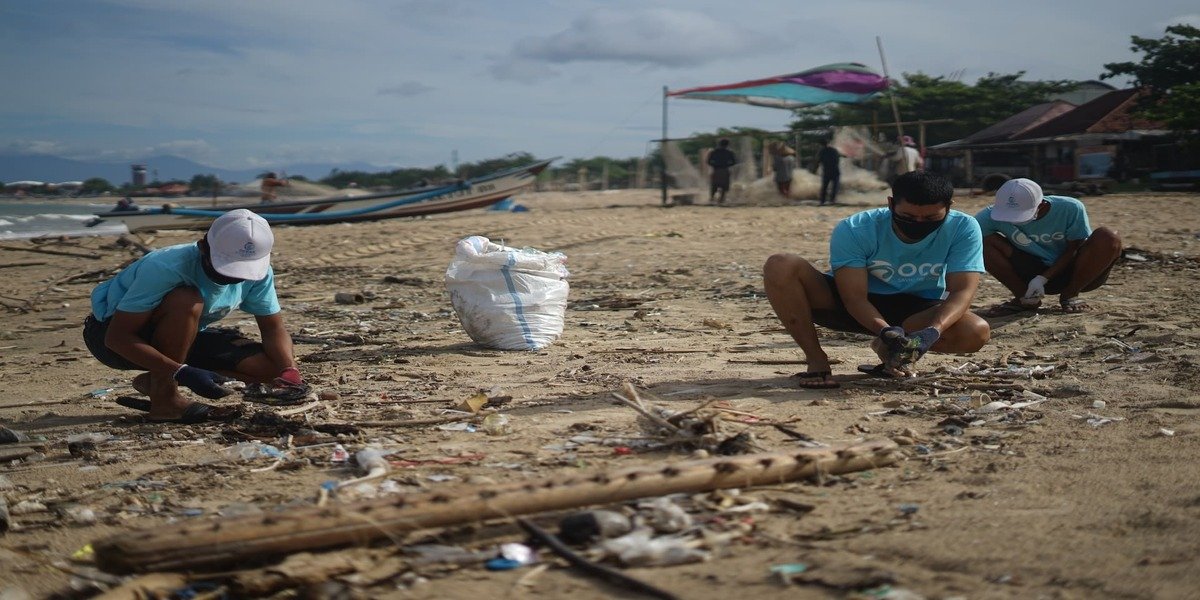
In a world of climate change, population growth, and depletion of natural resources, we must be conscious of our surroundings, resources, and partnerships when it comes to establishing plans to prepare for, respond to and recover from environmental catastrophes.
Across the world, we have seen a rise in unfortunate events such as wildfires, typhoons, hurricanes, earthquakes, and flooding. There are steps that can and have been taken to minimize climate change; however, the progression to an ideal global climate will take time, and unfortunately, we cannot prevent environmental catastrophes from occurring.
However, we can take a proactive approach to ensure we are prepared to take the steps necessary to ensure our communities' health, safety and sustainability and the natural world around us.
Community Health Priorities
Mental Health
I would like to begin by addressing by far one of the most important aspects of environmental catastrophes and natural disasters that impact our communities of which we reside.
Mental health is the key.
In times of uncertainty, we must retain a strong sense of self to provide the best possible assistance to what is most important for our families and communities.
Clarity and consciousness yield great results.
When we look at mental…
Create an account to continue reading
Create AccountAlready have an account? Sign in
Need an expert in this space?
Talk to an Industry Expert
Knowledge Ridge connects decision-makers with carefully vetted subject matter experts for one-on-one calls, research sprints, and advisory engagements — across 11 sectors and 163 sub-industries globally.
Comments
No comments yet. Be the first to comment!