
Scaling Cell Therapy Beyond Promise
This article talks about the hidden operational challenges in cell therapy manufacturing, from biological variability and validation limits to assay bottlenecks and the structural foundations required for sustainable commercial scale.
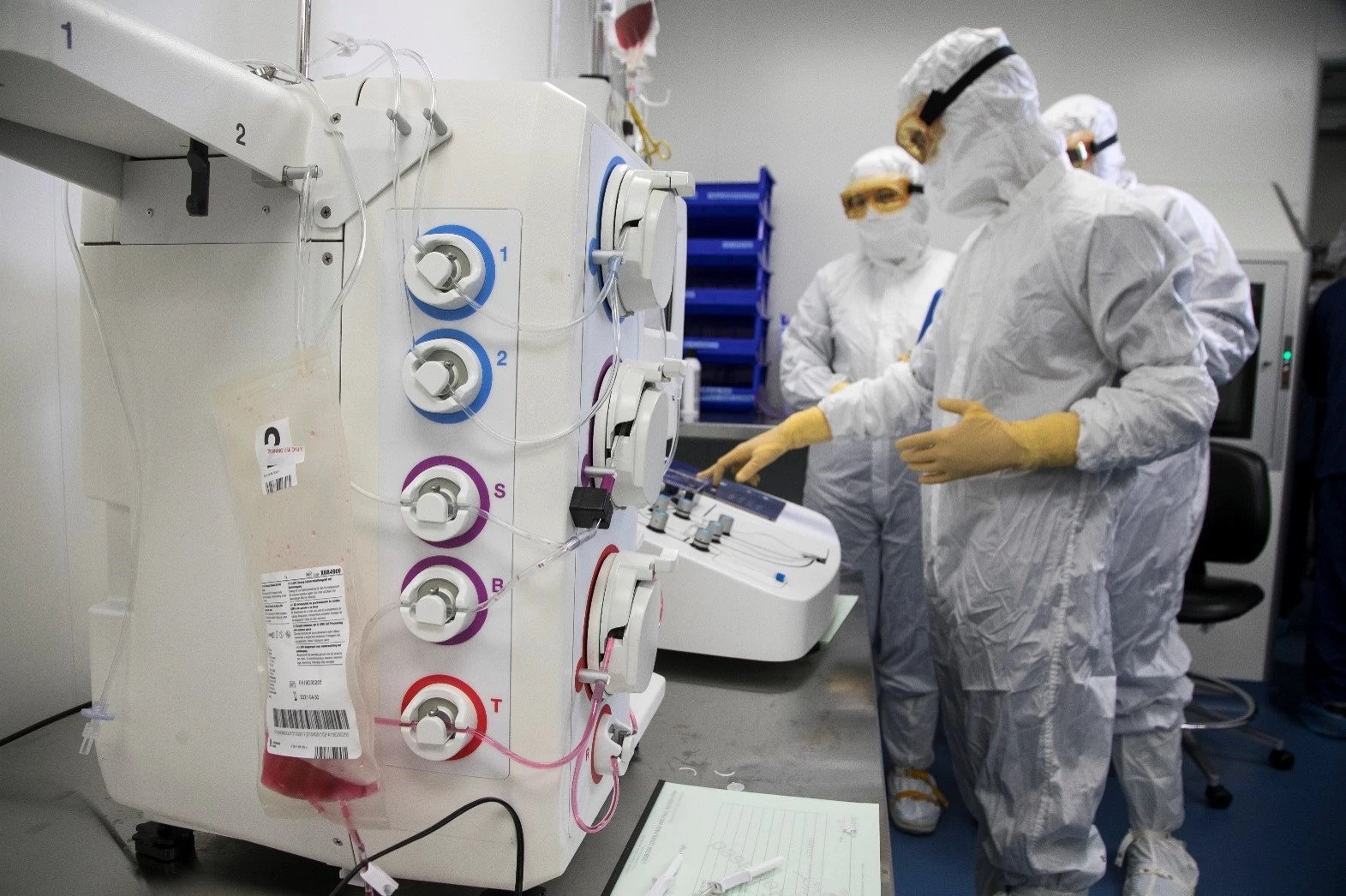
Q1. Looking back, how has your career evolved and shaped the way you approach your current role?
When I look back at my career, one of the biggest lessons I’ve learned is that implementation is never the finish line. Early on, I saw many organizations install QC labs and LIMS systems in GMP environments and feel like the job was done. But the real work actually starts after the system goes live.
What people often underestimate is everything that comes after. You have to manage data carefully, revalidate methods as processes evolve, retrain people again and again, and constantly prepare for audits and deviations. That ongoing effort is what truly defines operational success. Today, I approach my role with that long term mindset. I don’t just think about setting things up. I think about how they will hold up over time.
Q2. In cell therapy manufacturing, variability is inherent to the biology. Where does this variability most often translate into commercial or regulatory risk?
In my experience, variability becomes most visible and risky in assay validation. Cell based testing is inherently complex, and validation frameworks can sometimes create a sense of precision that the biology itself cannot fully support.
Unlike…
Create an account to continue reading
Create AccountAlready have an account? Sign in
Need an expert in this space?
Talk to an Industry Expert
Knowledge Ridge connects decision-makers with carefully vetted subject matter experts for one-on-one calls, research sprints, and advisory engagements — across 11 sectors and 163 sub-industries globally.
Comments
No comments yet. Be the first to comment!