
Spiral Conveyor Technology: Industry Gamechanger
This article explores spiral conveyor technology—its types, core principles, key applications, selection criteria, and the latest trends driving efficiency, space optimization, and automation in processing industries.
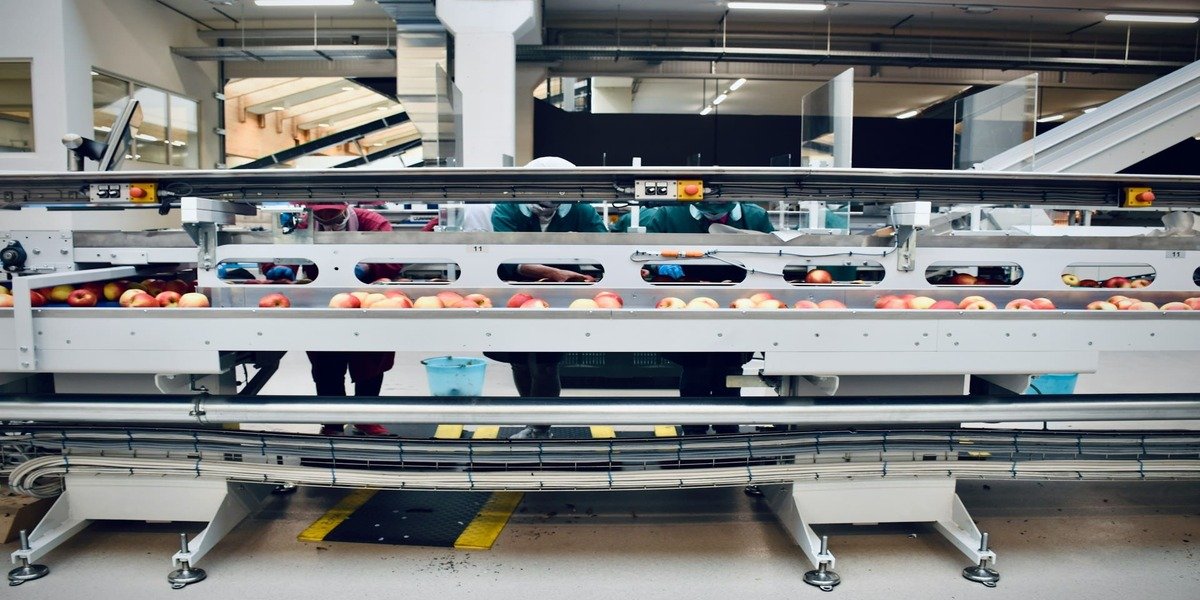
Spiral conveyor technology is widely used in the processing industry for product conditioning, conveying, and accumulation. It’s a versatile and efficient solution for managing and conditioning a large volume of products in a small footprint.
A spiral is a helical surface, also called a helicoid, where a point on the ruled surface will travel up or down the helix based on the direction of rotation.
The principle behind spiral technology is the movement of product on a belt or surface, which moves in a helix upward or downward, driven by a rotating member, either a central shaft with the drive or a drum connected to the drive.
The earliest known usage of spiral/helicoid surface was as an Archimedean screw by Egyptians around 250BCE as a machine used for lifting water from a low-lying body of water into irrigation ditches; water is lifted by turning a screw-shaped surface inside a pipe like a modern-day screw pump.
Types and Applications of Spiral System
The spiral system mainly comprises a drive, a helical carry way path, a belt or surface to carry the product, and support structure.
Depending on the driving mechanism used in the spiral system, there are different types of spirals.
Create an account to continue reading
Create AccountAlready have an account? Sign in
Need an expert in this space?
Talk to an Industry Expert
Knowledge Ridge connects decision-makers with carefully vetted subject matter experts for one-on-one calls, research sprints, and advisory engagements — across 11 sectors and 163 sub-industries globally.
Comments
No comments yet. Be the first to comment!