
Sustainability Of Biosimilars Landscape
Democrats push affordable meds for seniors, but biosimilars face hurdles. While generics cut $338B in costs, new rules may slow biosimilar adoption and impact innovation. Explore how policy, pricing, and competition shape the future of accessible treatments.
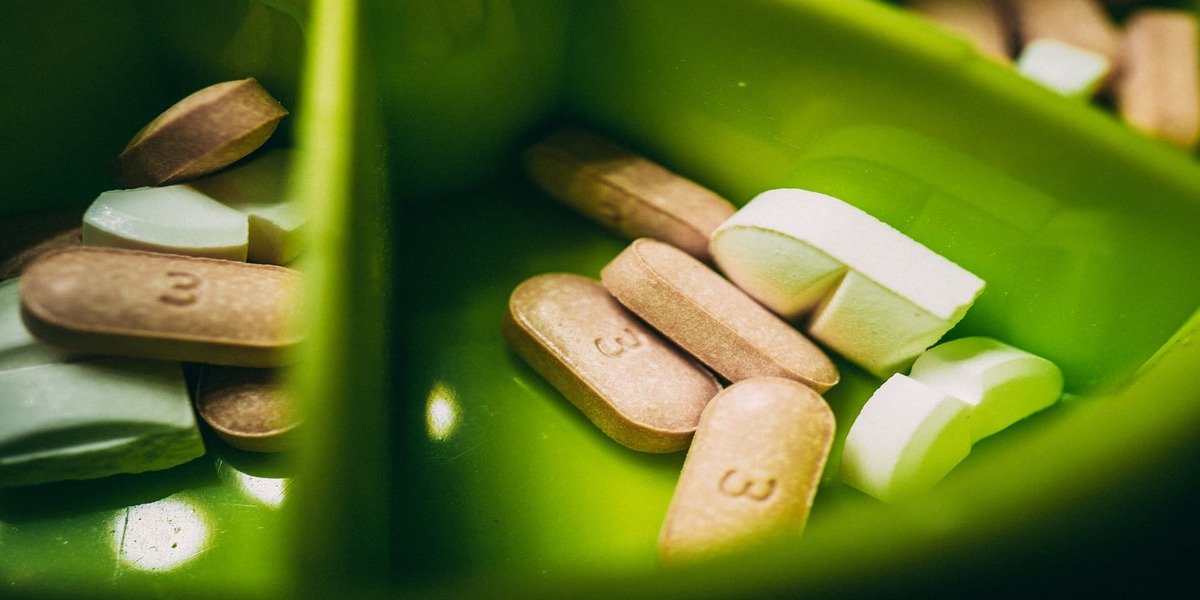
Democrats are considering helping patients to get best-in-class treatment affordably, and they have taken many considerations such as capping out-of-pocket drug costs for Medicare recipients, paneities on increasing rate faster than the rate of inflation, expanding prescription drug subsidies for low-income seniors, and making vaccines free for seniors. Certainly, it will help patients to get a better life.
But as we know, every action also has some shadow, and from a pharmaceutical industry perspective, we need to think deeper into it.
Biosimilar Adoption
Congress has implemented and encouraged a "competitive market theme" for an industry where they passed Biologics Price Competition and Innovation Act (BPCIA) in 2010.
This has opened up competition for providing affordable and cost-effective solutions to patients and created an abbreviated approval pathway as a way to give the public greater access to biological products that are effective and safe. This strategy has created a challenging environment for Innovators to use defensive strategies to keep their revenue momentum.
And the result of these measures is that today, generics and biosimilars represent nine out of every ten prescriptions dispensed in the United States, and total generic and biosimilar drug savings were about $338 billion in 2020, resulting from…
Create an account to continue reading
Create AccountAlready have an account? Sign in
Need an expert in this space?
Talk to an Industry Expert
Knowledge Ridge connects decision-makers with carefully vetted subject matter experts for one-on-one calls, research sprints, and advisory engagements — across 11 sectors and 163 sub-industries globally.
Comments
No comments yet. Be the first to comment!