
Sustainable Plastic Co-processing
Plastic waste from a linear “take-use-throw” model harms ecosystems. While recyclables have value, non-recyclables pose challenges. Co-processing in cement kilns offers a sustainable, zero-residue solution utilizing full energy and material value.
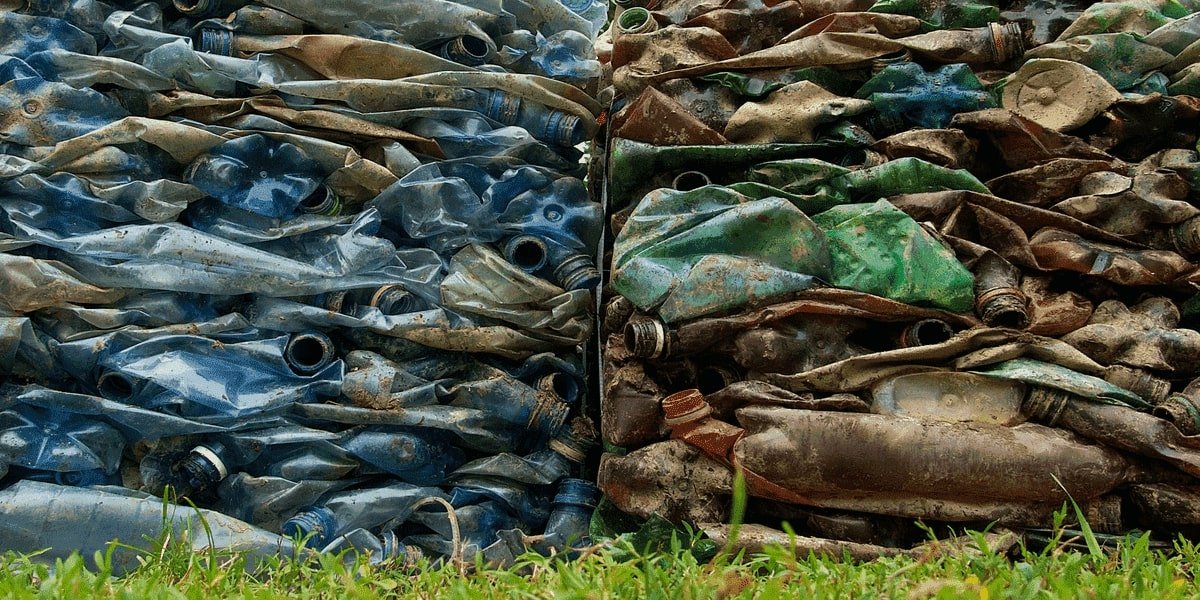
Plastic waste has been a major cause of concern worldwide since past 20 years or so. This concern is mainly because of the rampant littering that takes place of the plastic waste causing severe damage to the environment. This waste is causing large dump sites and also pollution to soil, air and water. Further, it is also entering oceans through various water bodies and causing major concern in the sea endangering the survival of aquatic life. The main reason for this concern is the linear economy that we are practicing in which the approach is “take, use and throw”. It is important therefore that this plastic waste is managed in an environmentally sound, ecologically sustaining and economically attractive manner. This plastic waste will of two kinds - recyclable and non-recyclable and there are three major sources of their generation. Industries, Agriculture & Households. The nature of the plastic waste generated from these sources vary considerably. It is generally easy to manage the recyclable plastic waste because it has commercial value in the marketplace. Further, well-defined business processes are also in place for facilitating their recycling. The major cause of concern is the non-recyclable one. This waste generally tends to be…
Create an account to continue reading
Create AccountAlready have an account? Sign in
Need an expert in this space?
Talk to an Industry Expert
Knowledge Ridge connects decision-makers with carefully vetted subject matter experts for one-on-one calls, research sprints, and advisory engagements — across 11 sectors and 163 sub-industries globally.
Comments
No comments yet. Be the first to comment!