
The Sustainability Puzzle
This article clarifies the distinction between sustainability and ESG, addresses misconceptions, cost impacts, and circular economy myths, and emphasizes a holistic approach for long-term success.
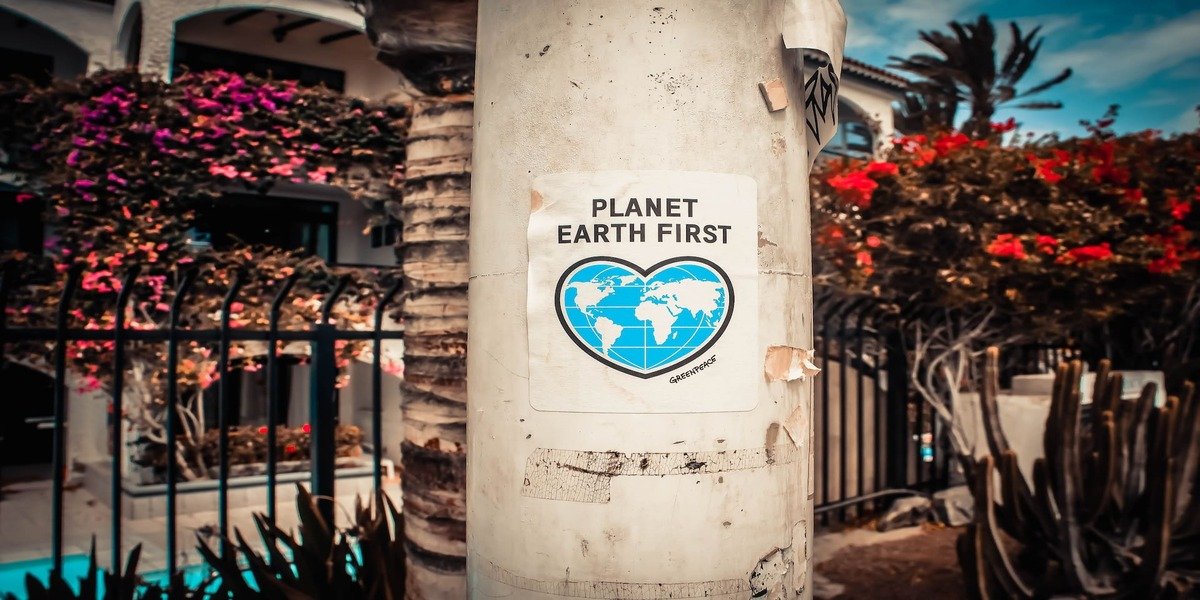
“If it can’t be reduced, reused, repaired, rebuilt, refurbished, refinished, resold, recycled, or composted, then it should be restricted, designed or removed from production.”
– Pete Seeger, Folk Singer & Social Activist
I am a great believer of all things natural. I believe anything that is artificial is not sustainable. That is the reason I try the natural way of healing and living. And if we mess with nature, nature will strike back. We are already seeing these signs with these erratic climate changes. And suddenly, everyone seems to speak about Sustainability and ESG (Environment, Social, and Governance).
In fact, there has been a 10x increase in the number of climate laws and policies passed over the last three decades. According to a recent survey by Deloitte, 65% of consumers expect CEOs to make more progress on reducing carbon emissions and improving their responsible business supply chains.
While we may talk about all these things now, the fact remains that this is not something new. It needed climate change to remind us that we have done too much damage and are on the path of mindless consumerism.
In 1987, the United Nations Brundtland Commission defined sustainability as “meeting the needs…
Create an account to continue reading
Create AccountAlready have an account? Sign in
Need an expert in this space?
Talk to an Industry Expert
Knowledge Ridge connects decision-makers with carefully vetted subject matter experts for one-on-one calls, research sprints, and advisory engagements — across 11 sectors and 163 sub-industries globally.
Comments
No comments yet. Be the first to comment!