
Transforming Plastic Waste Into Value
With India generating 56 lakh tonnes of plastic waste each year, managing it smartly isn’t just an option — it’s a necessity. Explore how innovation and policy are reshaping the future of plastic waste management.
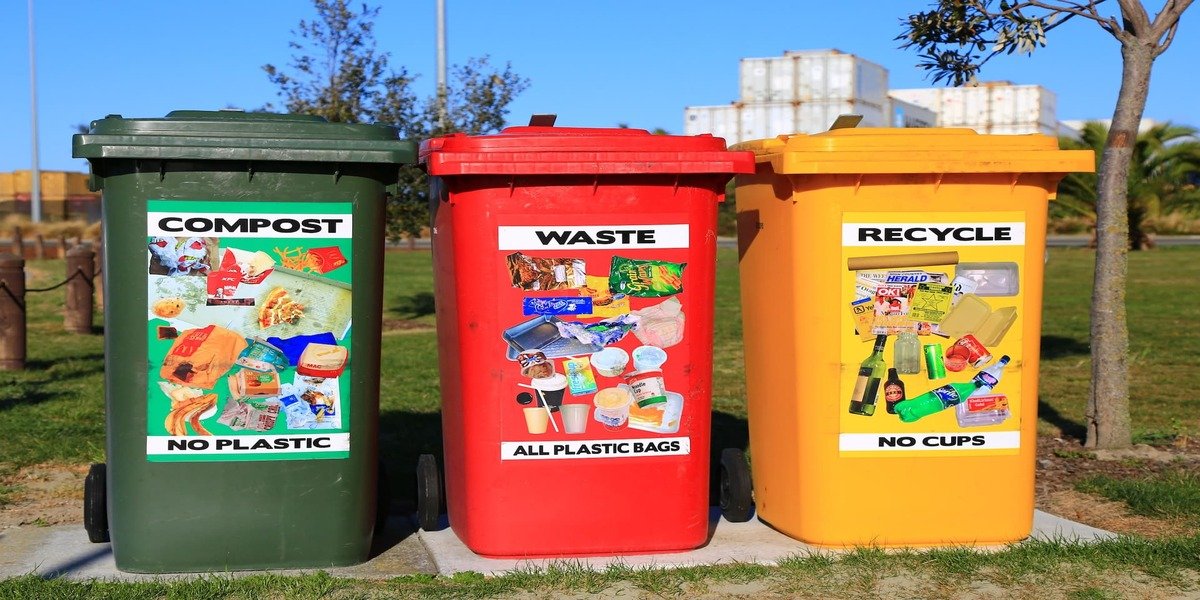
Plastic waste management is the efficient and precise conversion of plastic waste into innovative products that are better, environment friendly, and cost-effective.
Advantages of implementing plastic waste management are :
- Reduced environmental pollution
- Reduced virgin plastic production and innovative products made out of waste plastic
Trends
It is estimated that out of the 8.3 billion metric tons of plastic produced globally, as of date, 6.3 billion metric tons end up as trash, whereas only 9% is recycled, 12% is incinerated, and the rest 79% is accumulated in landfills.
Global plastic waste is anticipated to total 4.9 billion tonnes and reach 12 billion tonnes by 2050. India generates around 56 lakh tonnes of plastic waste annually and Delhi, the highest generator of plastic waste in India, accounts for 9,600 mt per day among the top ten cities, followed by Chennai, Kolkata, Mumbai, Bangalore, Hyderabad, and a few others.
Categories of Plastics
The main categories of plastics include :
- Recyclable Plastics (Thermoplastics) : PET, HDPE, LDPE, PP, PVC, PS, etc.
- Non-Recyclable Plastics (Thermoset and others) : Multilayer and laminated plastics, PUF, Bakelite, Polycarbonate, Melamine, Nylon, etc
Solutions to Plastic Waste Problem
- Spread the word and awareness about this topic
- Participate in beach/river…
Create an account to continue reading
Create AccountAlready have an account? Sign in
Need an expert in this space?
Talk to an Industry Expert
Knowledge Ridge connects decision-makers with carefully vetted subject matter experts for one-on-one calls, research sprints, and advisory engagements — across 11 sectors and 163 sub-industries globally.
Comments
No comments yet. Be the first to comment!