
Understanding Single Event Upsets in Electronics
This article explores Single Event Upsets (SEU) in electronic systems, detailing real-world impacts, industry responses, mitigation strategies, and the importance of reliability standards for critical applications.
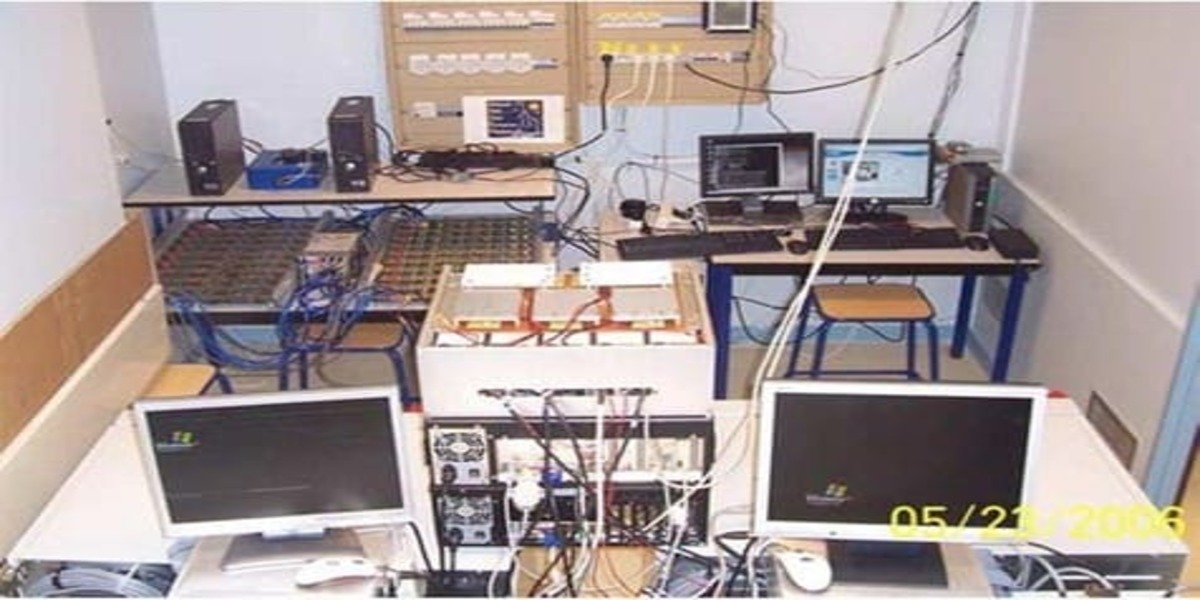
Single Event Upset (SEU) or Single Event Effect (SEE) is a space and terrestrial effect that, despite the system may have passed all quality-related testing and verifications, the system can still experience random faults that are typically recovered after reset or power cycle.
First, you need to answer how much pain it would cause if your application fails. A more solid pictorial example is as follows.
- Imagine the AI-powered robotic arm wildly rotates its arm and destroys the assembly line
- An autonomous driving vehicle failed to recognize the pedestrian on the crosswalk and didn't stop
- The accelerated trading platform buys at full speed while the marketing crashes
The question is not if this will happen but when and how often it will happen.
Of course, this is an unavoidable topic if you're already bound by safety standards like ISO26262, IEC61508 or your customer has already asked you about FIT.
Real World Examples
To drive the points home, the following hyperlinked topics provide lessons learned that already cost millions of dollars and/or lifes.
BBC special on SEU is to blame for your electronic woes - Mr. Gate is vindicated of all the blue screens~
Google Engineer manhandled SEU
The tragedy of…
Create an account to continue reading
Create AccountAlready have an account? Sign in
Need an expert in this space?
Talk to an Industry Expert
Knowledge Ridge connects decision-makers with carefully vetted subject matter experts for one-on-one calls, research sprints, and advisory engagements — across 11 sectors and 163 sub-industries globally.
Comments
No comments yet. Be the first to comment!