
Vetiver Grass Application For Slope Stabilization
When nature becomes an engineer—Vetiver grass, with roots as strong as steel, is transforming fragile slopes into resilient landscapes. Discover how this “green armor” is redefining soil stability, erosion control, and sustainable construction. Read to explore nature’s quiet power.
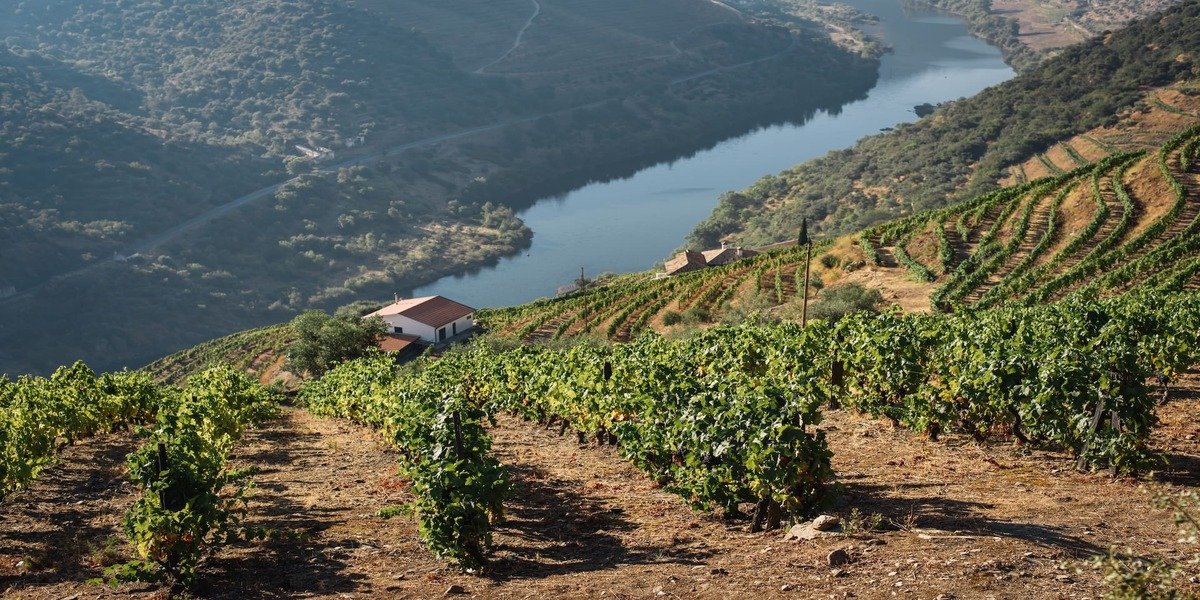
Living vegetation, that is purposely arranged and embedded in the ground in selected patterns and arrays has been used for many decades as a natural soil bioengineering tool to reclaim land, control erosion, and stabilize slopes. The acceptance of this 'soft' engineering approach in recent years has increased significantly partly because more information about vegetation is now available to planners and design and construction engineers.
Vetiver grass is not just another grass, it is a special grass like bamboo. Although technically a grass, vetiver plants are used in land and slope stabilization applications behave more like fast-growing trees or shrubs. Its extensive, thick root system binds the soil, making it very difficult to dislodge and extremely tolerant to drought.
Characteristics of Vetiver Grass
Structured Root System
Vetiver's extremely deep and massive finely structured root system can extend to two to three meters in the first year. Its roots have a high tensile strength that has been proven positive for root reinforcement in steep slopes, thus preventing surficial erosion and shallow mass movement.
Vetiver roots can penetrate a compacted soil profile such as hardpan and blocky clay pan common in tropical soils, providing a good anchor for fill and topsoil. This…
Create an account to continue reading
Create AccountAlready have an account? Sign in
Need an expert in this space?
Talk to an Industry Expert
Knowledge Ridge connects decision-makers with carefully vetted subject matter experts for one-on-one calls, research sprints, and advisory engagements — across 11 sectors and 163 sub-industries globally.
Comments
No comments yet. Be the first to comment!