
Why Are 5G Phones Different Than 4G
5G smartphones, initially using sub-6GHz, will evolve to mmWave frequencies, requiring advanced RF front-end modules and antenna designs. Leading chipsets like Snapdragon 865, MediaTek Dimensity 1000, and Exynos 5100 enable higher speeds, efficiency, and next-generation network capabilities.
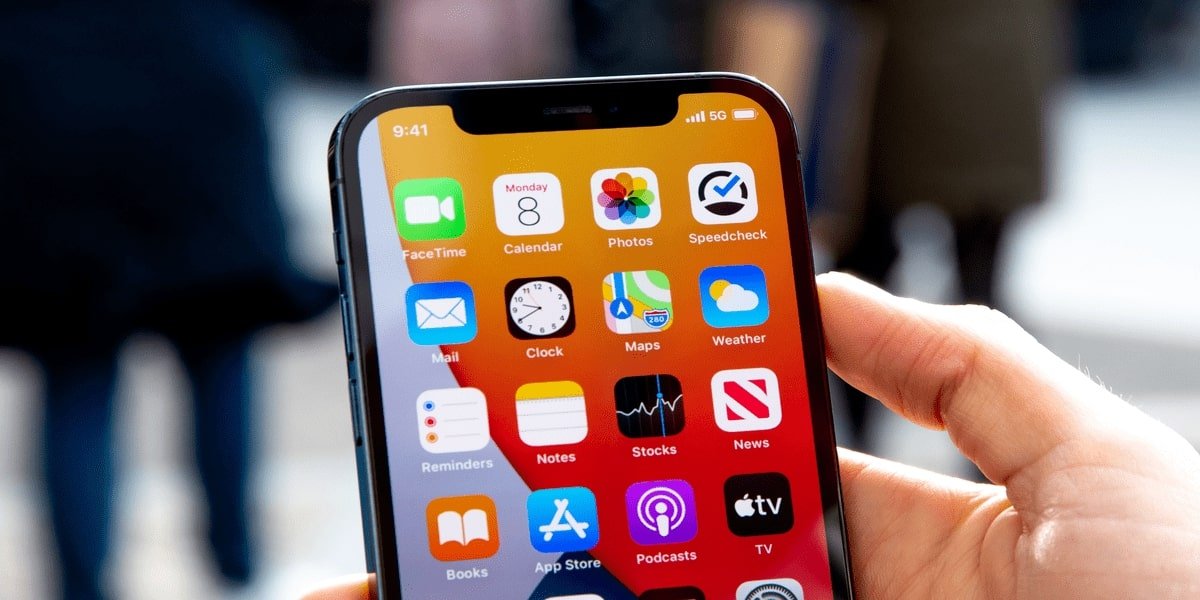
Fifth-generation mobile network deployments are in the initial phase and will work jointly with 4G initially, and then eventually it will be a standalone technology. One of the many differentiators of 5G from 4G is the higher frequency spectrum and larger bandwidth. The use of higher frequencies in 5G leads to more complexity of end devices and built-in chipsets.
Current wireless networks i.e., 4G, uses the frequencies ranging from 450MHz to 3.7GHz. The smartphones are integrated with the digital part and the RF component part. The digital part includes a modem while the RF component includes a separate RF transceiver and an RF front end module.
The transceiver consists of a transmit antenna and a receive antenna. The RF front module consists of different components integrated in the same unit. The components included in the RF front end module are power amplifiers (PAs), low noise amplifiers (LNAs), filters and RF switches. PAs are used to power the signal to carry information to the destination. LNAs are used to amplify the weak signals while filtering out the noise and the switches are used to route the signals through different components. Current smartphones are also incorporated with other RF modules such as…
Create an account to continue reading
Create AccountAlready have an account? Sign in
Need an expert in this space?
Talk to an Industry Expert
Knowledge Ridge connects decision-makers with carefully vetted subject matter experts for one-on-one calls, research sprints, and advisory engagements — across 11 sectors and 163 sub-industries globally.
Comments
No comments yet. Be the first to comment!